What Is a Bassinet Bumper? What New Parents Should Know
On this page (7 sections)
Understanding Bassinet Bumpers and Why They’re Discussed
A bassinet bumper is a padded liner that fits around the inside walls of a bassinet. Its main purpose is to create a cozy, enclosed space for your newborn. It’s often marketed as a way to prevent bumps and provide a sense of security. However, understanding the full picture is essential for your baby’s well-being.
What Exactly Does a Bassinet Bumper Do?
The primary function of a bumper is to act as a soft barrier between your baby and the bassinet’s rigid sides. Manufacturers claim it offers comfort and can help keep small items from falling through the mesh or bars. Some designs are decorative, adding a finished look to the bassinet. For a separate decorative option, see our bassinet skirt guide.
The Safety Conversation: What to Know First
Safety guidelines from major health organizations have evolved significantly. The American Academy of Pediatrics (AAP) now advises against using any padding, pillows, or bumpers in a baby’s sleep space. This recommendation is part of the safe sleep guidelines to reduce risks. The concern isn’t just about the product itself, but how it alters the safe sleep environment.
Risk Factors Identified by Health Experts
Key concerns include the possibility of a baby’s face pressing against the soft material, which could affect breathing. There is also a risk of entanglement if the bumper becomes loose. An overheating risk exists because bumpers add extra insulation. We found that the safest sleep surface is a firm mattress with a tight-fitting sheet and nothing else.
Materials and Construction: A Closer Look
Bassinet bumpers are typically made from cotton or polyester fabric, filled with polyester fiberfill or foam. The attachment method varies, with ties being the most common. It’s important to check for secure fastenings and high-quality stitching. The thickness and firmness of the padding can differ greatly between models.
Exploring Alternatives to Traditional Bassinet Bumpers
Many parents now seek bumper alternatives that align with current safe sleep advice. These options aim to keep the bassinet visually appealing or provide a sense of enclosure without the padding risk. You can still create a nice nursery aesthetic while prioritizing safety.
Breathable Mesh and Frame Covers
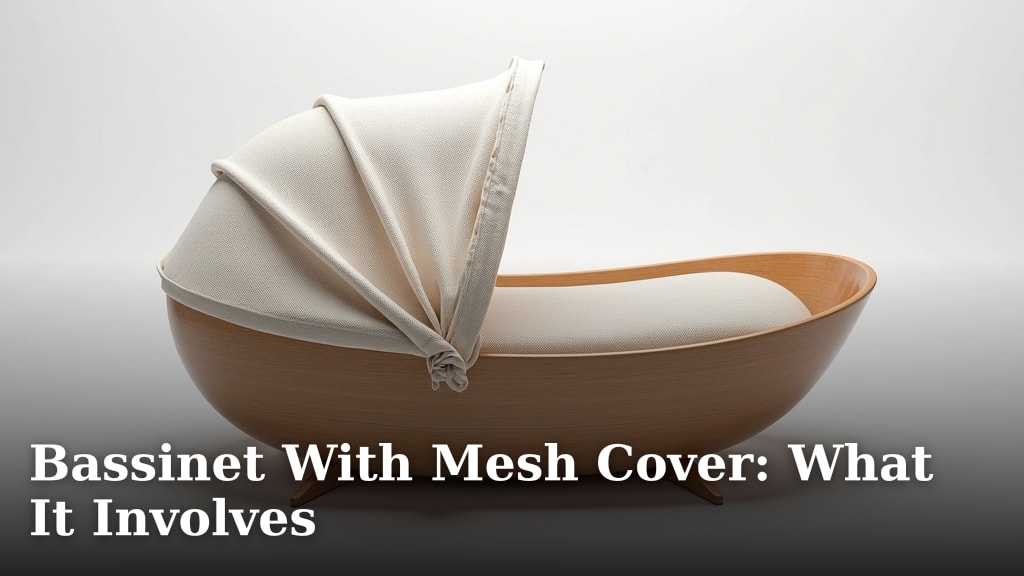
One popular alternative is a mesh or air-permeable cover that fits over the bassinet frame. It provides a visual boundary without thick padding. These covers are designed to allow free airflow through the sides of the bassinet. They often come in various colors and patterns for style.
Using a Wearable Blanket Instead
For warmth and comfort, consider a wearable blanket or sleep sack. This is the recommended way to keep your baby warm without loose bedding. It slips over their body and has no hood, addressing safety concerns. The AAP specifically recommends this as the best alternative to blankets.
Key Features to Evaluate If You Consider One
Despite the guidelines, some parents still choose to use a bumper. If you are considering one, it’s vital to look beyond the design. Focus on features that might minimize risk, though it’s important to know the official recommendation remains against their use.
Secure Attachment Is Non-Negotiable
The bumper must fit the specific bassinet model perfectly with no gaps. Attachment ties should be short and tied tightly out of reach. A loose bumper is more dangerous than a securely fastened one. Always follow the manufacturer’s instructions for installation.
Material Safety and Certifications
Look for bumpers made from breathable, natural fibers that are free from harmful chemicals. Some products may carry certifications like OEKO-TEX, which tests for harmful substances. Always check the material and filling composition listed on the product tag.
| Feature | Potential Benefit | Important Safety Consideration |
|---|---|---|
| Secure Ties | Prevents slipping and bunching | Must be short and double-knotted; keep away from baby |
| Mesh or Perforated Fabric | Allows airflow through the bumper material | Does not eliminate the risk of face contact with material |
| Machine-Washable | Easy to clean and maintain hygiene | Must be able to be washed thoroughly and dried completely |
| Firm, Thin Padding | Provides a slight barrier with less bulk | Still adds a layer to the sleep environment, contrary to guidelines |

Your Bassinet Safety Checklist
Before setting up the sleep space for your newborn, run through this practical list. It focuses on the core principles of safe sleep for babies under one year old. Use this as a guide to prepare a secure bassinet.
- The mattress is firm and fits tightly within the bassinet frame, with no gaps.
- The sleeping surface is completely bare except for a fitted sheet.
- All bumpers, pillows, and soft toys are removed from the bassinet.
- The bassinet meets current safety standards and is stable on the floor.
- Your baby is placed on their back to sleep, every single time.
When to Stop Using Any Bassinet Accessory
Even if you purchase a bumper, remove it once your baby starts to push up on hands and knees. This is a major milestone that increases the risk. Generally, this happens around 4-5 months of age. At that point, your baby may be ready to transition to a crib, following the same bare sleep space rules.
Making the Final Decision for Your Family
Choosing nursery items involves balancing style, function, and safety. The research from groups like the CDC and the AAP consistently points toward the simplest sleep environment being the safest. You are the parent, and the final choice is yours. Our goal is to provide the information so that choice is an informed one.
Common Questions Parents Ask
Many new parents wonder if a bumper is absolutely necessary for a happy baby. We found that babies sleep perfectly well without one. The feeling of security comes from you, not from padding. Your baby will adjust to the space you provide.
Talking with Your Pediatrician
If you have any doubts, bring up the topic at your next checkup. Your pediatrician can give you personalized advice based on your baby’s needs. They can also demonstrate the proper, safe setup of a bassinet. This is a great use of your well-baby visit.
Trusting Your Instincts
After reviewing the information, trust what feels right for your child. If the guidelines feel safer to you, that’s a valid and supported choice. If you still have questions, perhaps start with a non-padded alternative first. You can always add a decorative bumper later for photos if you wish, but not for sleep.
Conclusion
Choosing a bassinet bumper involves understanding a clear safety message. We’ve covered how bumpers are designed and why major health groups recommend against them. Your baby’s safest sleep space is a firm mattress with a fitted sheet and nothing else. You have solid alternatives like breathable mesh covers and wearable blankets. The best choice is the one that keeps your baby safe. Your next step is to set up the bassinet with the bare essentials and talk to your pediatrician about any concerns. This simple approach gives you peace of mind and a secure sleep environment.
Frequently Asked Questions
Do I absolutely need a bassinet bumper for my baby?
No, a bassinet bumper is not necessary for your baby’s sleep. The American Academy of Pediatrics recommends a bare sleep space for safety. Your baby can sleep safely and comfortably without any extra padding.
What are the safest alternatives to a traditional bassinet bumper?
The safest alternatives are breathable mesh panels that cover the frame and wearable blankets or sleep sacks for warmth. These options avoid the padding and suffocation risks of traditional bumpers. They keep your baby safe while maintaining a nice look.
At what age should I remove a bumper if I am using one?
You should remove any bumper as soon as your baby can push up on their hands and knees. This milestone usually happens around 4 to 5 months old. Keeping it longer increases the risk of entanglement.
Are there any bassinet bumpers that are considered safe?
Health experts advise against using any padding or bumpers in the sleep area. While some products are marketed as safer, they still add material to the sleep space. The safest setup remains a firm mattress with only a fitted sheet.
Where can I find reliable safe sleep guidelines for my bassinet?
You can find reliable guidelines from the American Academy of Pediatrics (AAP) and the Centers for Disease Control and Prevention (CDC). Their websites provide detailed recommendations for creating a safe sleep environment. Your pediatrician can also offer personalized advice.