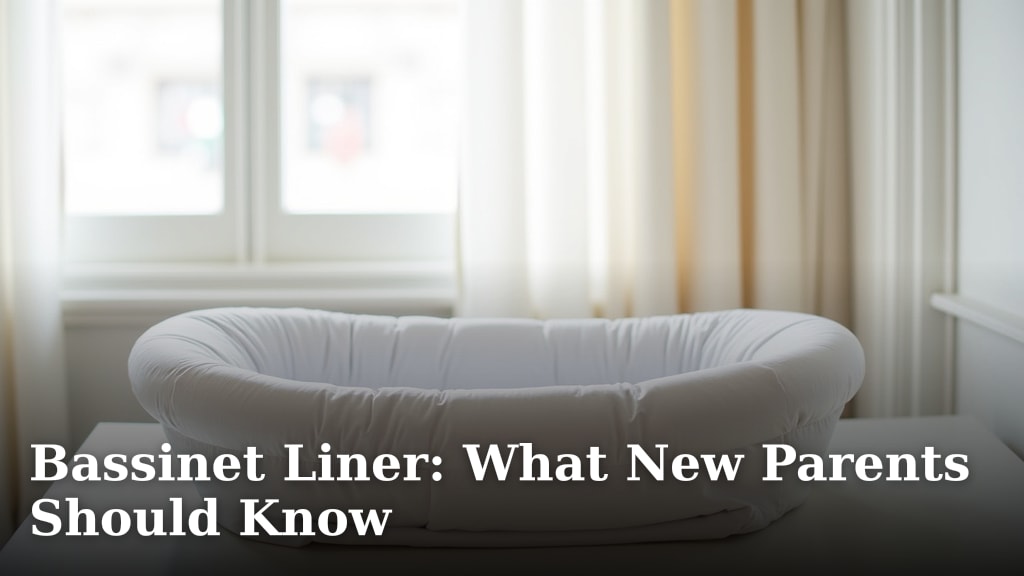
Bassinet Liner: What New Parents Should Know
A bassinet liner is a removable insert that goes inside your baby’s bassinet, primarily to provide a comfortable and clean sleeping surface. It is a soft, padded cover designed to protect the main mattress from spills, drool, and leaks. This simple accessory helps keep the bassinet fresh and is often machine-washable for easy cleaning.
Many new parents find that a liner adds an extra layer of comfort and hygiene. It is a common accessory that can be made from materials like cotton, bamboo, or polyester. We found that choosing a liner involves thinking about breathable fabric, proper fit, and easy maintenance to keep your baby safe and comfortable.
- A bassinet liner is a removable, washable insert for comfort and cleanliness.
- It protects the main mattress from spills, leaks, and wear.
- Look for materials that are breathable, soft, and easy to clean.
- Always ensure the liner fits securely and is used according to safety guidelines.
- Cleaning is simple—most are machine-washable, making daily life easier.
Below, we break down everything you need to know about choosing and using a bassinet liner safely. We share expert advice on materials, fit, and cleaning to help you feel confident.
What New Parents Need to Know About Bassinet Liners
A bassinet liner is a simple accessory that protects your baby’s sleep space and makes cleanup easier. It is a soft, removable cover that fits inside the bassinet mattress area. We found that most liners are designed to be machine-washable, which saves you time and effort.
Why Should You Consider a Bassinet Liner?
Think of a liner as a protective layer for your baby’s bed. It catches drool, spills, and diaper leaks before they reach the main mattress. This helps keep the bassinet hygienic and extends its life. Many experts say a clean sleep environment is important for infants (CDC).
Do you ever worry about middle-of-the-night messes? A liner adds peace of mind. It provides a soft, cozy surface that feels gentle against your baby’s skin.
Keeping the Bassinet Clean and Fresh
Babies are messy. Without a liner, liquids can soak into the mattress, leading to stains or odors. A liner acts like a barrier, absorbing most spills. You can quickly remove and wash it, keeping the bassinet ready for the next nap.
Adding Extra Comfort for Your Baby
Some bassinet mattresses can feel firm. A padded liner adds a layer of cushioning. It is not a replacement for a safe mattress, but it can make the sleep surface more inviting. Always ensure the liner does not alter the firmness required for safe sleep.
How to Choose the Best Bassinet Liner
Choosing the right liner involves more than just picking a pretty pattern. You need to consider material, fit, and safety features. We recommend focusing on three key areas: breathability, proper sizing, and ease of cleaning.
Material Matters: Breathable and Soft Fabrics
The fabric of your liner affects your baby’s comfort and safety. Breathable materials help prevent overheating, which is a key safety concern. A study from the National Institutes of Health notes that appropriate bedding contributes to safe sleep environments.
| Material | Pros | Cons |
|---|---|---|
| Cotton | Naturally breathable, soft, easy to wash | May shrink or wrinkle after washing |
| Bamboo | Very soft, moisture-wicking, hypoallergenic | Can be more expensive, delicate care |
| Polyester | Durable, stain-resistant, quick-drying | Less breathable, may trap heat |
We found that cotton and bamboo blends are popular choices for their balance of softness and airflow. Avoid overly thick or plush liners, as they can pose a risk if they bunch up.
Ensuring the Perfect Fit
A liner must fit securely without gaps. If it is too loose, it can bunch up or cover your baby’s face. Always measure your bassinet mattress and check the liner’s dimensions. Look for liners with elastic edges or straps that hold them in place.
Safety Guidelines for Using Bassinet Liners
Safety comes first with any sleep product. The American Academy of Pediatrics emphasizes that infants should sleep on a firm, flat surface free of loose bedding. A liner is generally safe if used correctly, but it is not the same as the mattress itself.
Proper Installation and Use
Follow the manufacturer’s instructions for installing the liner. Make sure it lies flat and taut across the mattress. Do not add extra padding or blankets on top of it. The liner should be the only item inside the bassinet besides your baby.
Signs It’s Time for a New Liner
Inspect the liner regularly for wear and tear. Look for thinning fabric, holes, or broken elastic. If it no longer fits snugly, it is time to replace it. Most liners are designed to last for several months with regular use.

Cleaning and Caring for Your Bassinet Liner
One of the biggest advantages of a liner is easy maintenance. Regular washing helps remove allergens and bacteria. Many liners can be tossed in the washing machine, making cleanup a breeze.
Machine-Washing Made Simple
Use a gentle cycle with mild detergent. Wash the liner in cool or warm water, depending on the care label. Avoid bleach or harsh chemicals, which can irritate your baby’s skin. We found that washing it separately from other laundry helps prevent damage.
Air-Drying and Storage Tips
After washing, air-dry the liner if possible to maintain its shape. If you use a dryer, choose a low heat setting. Store
Conclusion
A bassinet liner is a simple, practical accessory that helps protect your baby’s sleep space and keeps it hygienic. We found that choosing one with breathable fabric and a secure fit is key for safety and comfort. Remember to follow the manufacturer’s guidelines and wash it regularly to maintain cleanliness. To get started, measure your bassinet mattress dimensions and look for a liner that matches. This small step can make a big difference in your baby’s rest and your peace of mind.
Frequently Asked Questions
Can I use a bassinet liner if my bassinet already has a mattress pad?
It depends on the design. Some bassinets include a non-removable pad, so adding a liner might be unnecessary. We recommend checking your bassinet’s manual to see if a liner is compatible and safe.
How often should I wash the bassinet liner?
A good rule is to wash it after any spills or leaks, and at least once a week. Regular cleaning helps remove allergens and bacteria, keeping the sleep environment fresh for your baby.
Will a bassinet liner make the mattress too soft for safe sleep?
A properly fitted liner adds a thin layer of cushion without compromising firmness. Always ensure the liner lies flat and does not create a loose or plush surface, as per safe sleep guidelines.
What materials are best if my baby has sensitive skin?
For sensitive skin, we suggest looking for liners made from natural cotton or bamboo. These materials are often hypoallergenic and gentle, but always check for any chemical finishes on the label.
Can I put the bassinet liner in the dryer?
Yes, but use a low heat setting to avoid damage or shrinking. Air-drying is a gentler option that helps maintain the liner’s shape and elasticity over time.