
Bedside Bassinet Adjustable Height: What It Means
An adjustable height bedside bassinet is a crib designed to sit next to your bed. You can **raise or lower its height** to match your mattress. This makes it **easier to reach your baby** during the night. It promotes better sleep for both of you.
Having your baby close can be a real comfort. An adjustable bedside bassinet helps you achieve this closeness safely. It allows you to **keep your baby within sight and reach** without sharing your bed. Many parents find this feature incredibly **convenient for nighttime feedings** and check-ins.
- Adjustable height matches your mattress.
- Easier access to your baby at night.
- Helps with nighttime feedings and comfort.
- Promotes safer sleep practices for parents and baby.
Let’s walk through what makes this feature so helpful and what to look for when choosing one.
“`htmlUnderstanding Adjustable Height Bedside Bassinets
An adjustable height bedside bassinet is a crib designed to sit right next to your bed. You can easily raise or lower its height. This helps you match the bassinet to your mattress level. It makes reaching your baby much simpler. This feature can greatly improve your sleep. It also makes nighttime care more convenient.
Why Height Adjustability Matters for New Parents
When you have a newborn, sleep becomes a precious commodity. You want your baby close for comfort and feedings. But you also need your own rest. An adjustable height bassinet bridges this gap. It allows your baby to sleep safely nearby. You don’t have to bend down as much. This means less strain on your body.
Think about those late-night feedings. With a fixed-height bassinet, you might be awkwardly leaning over. This can be tough, especially if you’re recovering from childbirth. An adjustable one lets you bring the bassinet up to your level. You can tend to your baby with less effort. This can make a big difference in your comfort.
Easier Nighttime Feedings and Checks
Feeding your baby at night is a frequent event. Being able to easily lift your baby out of the bassinet is key. If the bassinet is too low, you might struggle. You might even disturb your baby more than necessary. An adjustable height means you can simply reach over. You can unlatch the side, pick up your little one, feed them, and gently place them back. All without a lot of fuss or strain.
Comfort and Closeness, Safely
Many parents feel more at ease when their baby is nearby. You can see your baby breathing. You can hear them stirring. This closeness can be very reassuring. An adjustable bassinet ensures this closeness is also practical. You don’t have to compromise your comfort or your baby’s safety. It’s about finding that sweet spot between parental peace of mind and your own physical needs.
How Adjustable Height Works
Adjustable height mechanisms can vary. Some bassinets use a series of notches. You simply slide the legs up or down until they click into place. Others might have a telescoping leg system. You extend or retract the legs to reach the desired height. Some even have crank handles or buttons for finer adjustments. The goal is always the same: to get the bassinet to the right level.
Common Adjustment Ranges
Most adjustable bassinets offer a good range of heights. This is to accommodate different bed sizes. You’ll typically find they can adjust from around 20 inches up to 30 inches or more. This covers standard bed heights, platform beds, and even some higher mattresses. Always check the specific height range of a bassinet before buying. Ensure it will meet your bed’s needs.
Ease of Adjustment
You want a mechanism that is easy to use. Especially when you’re tired and it’s dark. Look for systems that are intuitive. They should be simple to lock into place. You don’t want to struggle with complex parts. Some models allow for one-handed adjustments. This can be a lifesaver when you’re holding your baby.
Benefits of Matching Your Mattress Height
The primary reason for an adjustable bassinet is to match your mattress. Why is this so important? It creates a safe sleep zone for your baby. The American Academy of Pediatrics (AAP) recommends room-sharing without bed-sharing for the first six months. This means your baby should sleep in their own separate space, like a bassinet, next to your bed.
When the bassinet height matches your mattress, several things happen. First, it makes it very easy to transfer your baby. You can lift them out and put them back in without much effort. Second, it helps prevent your baby from rolling out. If the bassinet is significantly lower than your bed, there’s a risk. Your baby could potentially roll towards the edge. A flush or slightly lower setup minimizes this risk. It keeps your baby securely within their designated sleep area.
Safety Considerations with Height Adjustment
While adjustability is a great feature, safety is paramount. You need to ensure the bassinet is stable at whatever height you set it. Look for features like sturdy legs and a wide base. These help prevent tipping. Always double-check that the locking mechanism is secure.
A common guideline is that the bassinet sides should be at least 12 inches higher than the mattress inside. When you adjust the exterior height, this internal mattress-to-side height needs to be maintained. If a bassinet’s lowest setting makes the sides too low even when adjusted for your bed, it might not be the right choice. Always refer to the manufacturer’s safety guidelines.
Choosing the Right Adjustable Bassinet: A Checklist
Ready to find the perfect adjustable bassinet? Here’s a quick checklist to guide you:
- Height Range: Does it match your bed height?
- Ease of Use: Is the adjustment mechanism simple?
- Stability: Does it feel sturdy and well-balanced?
- Safety Features: Are there good locks and a secure base?
- Portability: Can you move it easily if needed?
- Storage: Does it have any handy pockets or shelves?
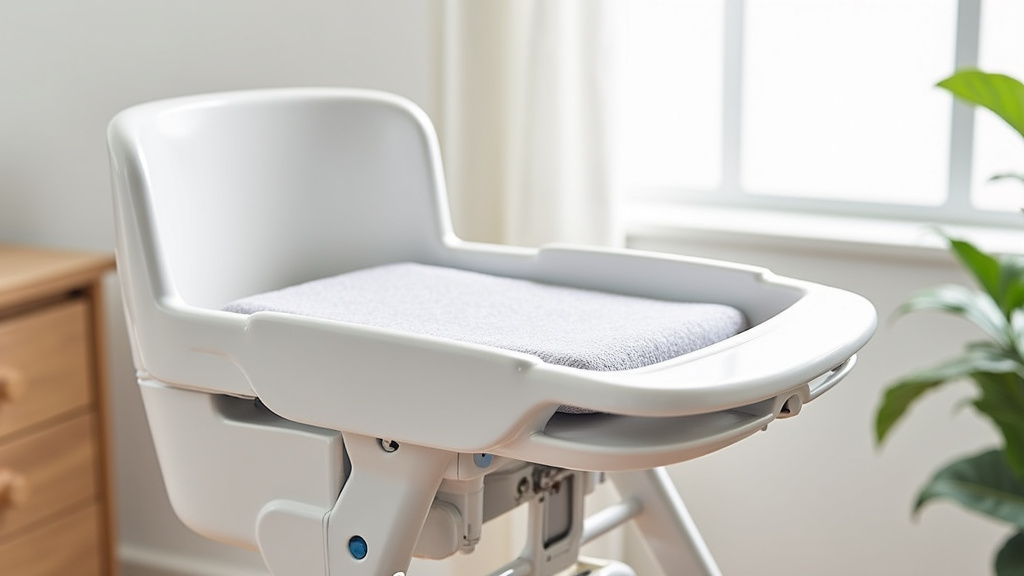
Comparing Features: Adjustable vs. Fixed Height
Let’s look at how adjustable height stacks up. Fixed-height bassinets are simpler. They often come at a lower price point. However, they lack the flexibility. You’re stuck with one height. This might be fine if you have a very standard bed. But what if you get a new mattress or bed frame? Then your fixed bassinet might become useless.
An adjustable bassinet offers long-term usability. It adapts to different sleeping arrangements. While they might cost a bit more upfront, the convenience factor is substantial. Many parents find the ease of nighttime care well worth the investment. You can even use it for a second child if your bed situation changes.
| Feature | Adjustable Height Bassinet | Fixed Height Bassinet |
|---|---|---|
| Height Adjustment | Yes, multiple levels | No, one fixed level |
| Bed Compatibility | High; adapts to various bed heights | Limited; best for specific bed heights |
| Nighttime Care Ease | Excellent; less bending and strain | Good; requires more bending |
| Cost | Typically higher | Typically lower |
| Long-Term Usefulness | Higher; adaptable to bed changes | Lower; less adaptable |
What to Look For in an Adjustable Bassinet
When you’re shopping, pay attention to the materials. You want something durable and easy to clean. Mesh sides are popular. They offer good ventilation. This is important for your baby’s comfort and safety. Check the mattress pad. It should be firm and fit snugly. No gaps where your baby could get stuck.
Consider the overall size. Will it fit comfortably in your bedroom? Some bassinets are quite large. Others are more compact. Think about any extra features you might want. Some come with canopies to block light. Others have rocking or vibrating functions. Decide what’s essential for you and your family.
“`Conclusion
An adjustable height bedside bassinet offers a practical solution for new parents. It ensures your baby is close and safe. Matching your mattress height makes nighttime care much easier. You’ll experience less strain during feedings and soothing. This feature supports restful sleep for both you and your baby. When choosing, always check the height range and stability. Your comfort and your baby’s safety are the top priorities. Ready to simplify your nights? Consider an adjustable bassinet for a more peaceful postpartum experience.
Frequently Asked Questions
What is the safest height to set my adjustable bassinet?
The safest height is one that matches your mattress level. This helps prevent your baby from rolling out of the bassinet. Always ensure the bassinet’s sides are at least 12 inches higher than the baby’s mattress inside.
Can I use an adjustable bassinet if I have a very low or high bed?
Most adjustable bassinets have a wide height range, often from 20 to 30 inches. This generally accommodates most standard bed heights, including platform beds. Always check the specific product’s height adjustment range before purchasing.
How do I ensure the adjustable bassinet is stable at its set height?
Look for bassinets with sturdy legs and a wide base for stability. Always confirm that the adjustment mechanism locks securely into place. Gently test the bassinet for wobbling after you’ve set the desired height.
Is an adjustable bassinet difficult to adjust when I’m tired?
Many adjustable bassinets are designed for ease of use, even when you’re sleep-deprived. Look for intuitive mechanisms, like simple locking levers or one-handed adjustments. Some models offer smoother, crank-based adjustments.
Can an adjustable bassinet be used with different bed frames over time?
Yes, that’s one of the main advantages. If you change your bed frame or mattress, an adjustable bassinet can likely be re-adjusted to fit. This makes it a more versatile choice than a fixed-height bassinet.