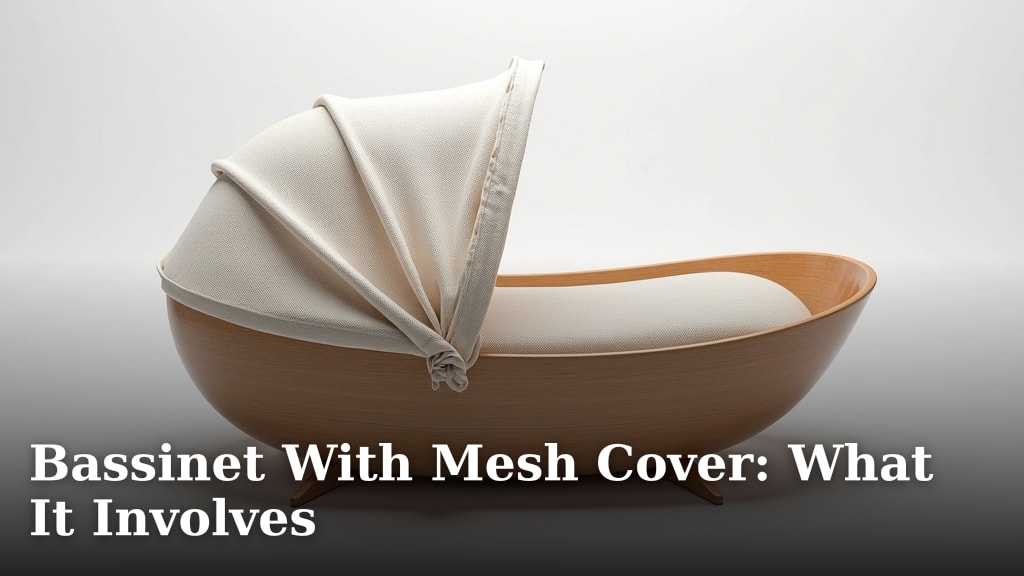
Bassinet With Mesh Cover: What It Involves
A bassinet with a mesh cover is a safe and convenient spot for your baby to sleep, often allowing for good airflow and visibility. These bassinets are designed to keep your little one comfortable and protected, especially important during those early months when they need constant supervision. The mesh sides help you keep an eye on them without disturbing their rest.
When choosing a bassinet, you’ll find many options that include these mesh elements for your baby’s safety and your peace of mind. They offer a practical solution for keeping your infant close by, whether in your bedroom or living area. Many parents find the added visibility through the mesh cover a huge benefit for monitoring their baby’s status.
- Mesh covers offer better airflow.
- They let you easily see your baby.
- This design can help keep bugs out.
- It’s a great way to keep your baby close and safe.
Let’s walk through what a bassinet with a mesh cover involves, so you can make the best choice for your family.
Understanding Bassinets With Mesh Covers
So, you’re curious about bassinets with mesh covers? It’s a smart question to ask. These bassinets offer a safe, breathable, and visible sleeping space for your baby. Think of them as a cozy, secure nest where your little one can rest while you keep a watchful eye. We found that this design offers multiple benefits for both baby and parents during those demanding newborn weeks.
What Exactly Is a Bassinet With a Mesh Cover?
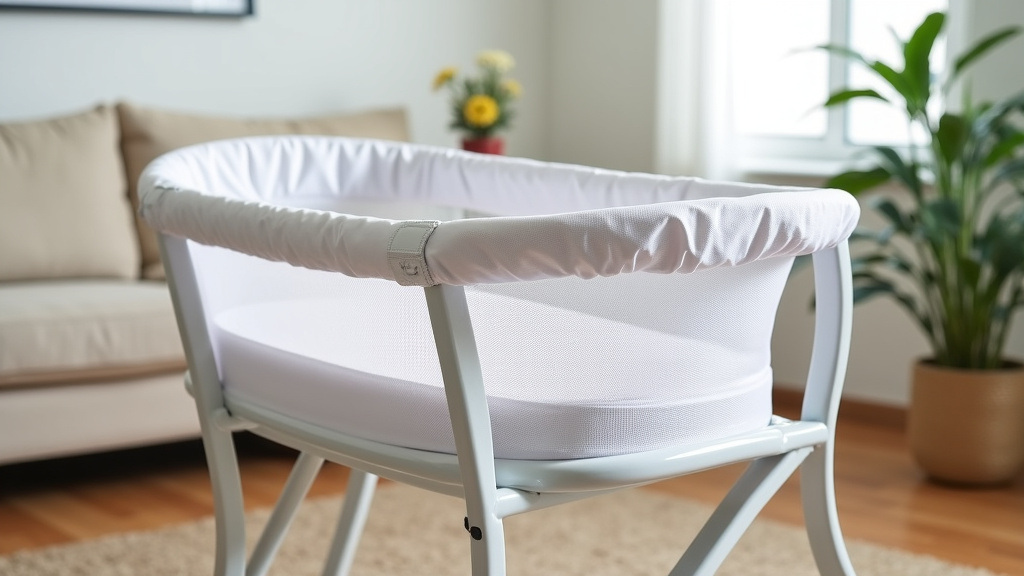
A bassinet with a mesh cover is essentially a small, portable bed for infants. The key feature is the side panels, which are made of a durable, breathable mesh fabric. This mesh allows air to circulate freely. It also lets you peek in on your baby easily without getting up. Many parents find this greatly reduces anxiety in the early days.
Why Are Mesh Sides So Important?
The mesh sides are designed with your baby’s well-being in mind. They contribute to better **airflow**, which is super important for preventing overheating. Overheating is a risk factor for Sudden Infant Death Syndrome (SIDS). Research has consistently pointed to good ventilation as a key safety factor in infant sleep spaces (CDC).
Beyond safety, the mesh offers a practical advantage. You can see your baby at a glance. This is helpful for checking if they’re stirring, if they need a comforting pat, or just to reassure yourself they’re sleeping soundly. It’s like having a small window into their peaceful slumber.
Key Features and Benefits of Mesh Bassinets
When you look at bassinets with mesh, you’ll notice a few things they all share. These features aim to make your baby’s sleep space as safe and convenient as possible.
Enhanced Airflow and Breathability
This is a big one. The mesh panels create an open environment. Air can move freely around your baby. This helps regulate their temperature, keeping them comfortable. It also helps to disperse carbon dioxide that babies exhale. This is important for a safe sleep environment. We found that this feature is frequently highlighted by pediatric sleep experts.
Improved Visibility for Parents
Remember those moments when you’re just lying there, wondering if your baby is okay? The mesh sides solve that. You can easily see your little one from across the room. This constant visibility can be incredibly reassuring. It means fewer trips to the bassinet just to check, letting both you and baby get more restful sleep.
Protection from Pests
In certain environments, especially if you enjoy spending time outdoors on a porch or patio, mesh covers can offer a barrier. They can help keep insects like mosquitoes and flies away from your baby while they sleep. This is especially useful during warmer months or if you live in an area with more bugs. It adds a layer of protection you might not have considered.
Portability and Convenience
Most bassinets with mesh sides are designed to be lightweight and portable. This means you can easily move your baby’s sleeping area from room to room. Want them near you in the living room while you watch TV? No problem. Need them by your bed at night? Easy. This mobility is a huge plus for busy parents. It ensures your baby can always be close by.
Types of Bassinets Featuring Mesh Designs
Not all bassinets with mesh are the same. They come in various styles, each offering slightly different features to suit your needs.
Standard Mesh Bassinets
These are the classic models. They usually feature a simple, sturdy frame with mesh sides on all four panels, or at least two opposite sides. They are often lightweight and designed for ease of use. Many come with a comfortable mattress pad. They are a straightforward choice for a safe sleep space.
Convertible or Travel Bassinets
Some bassinets are designed to grow with your child or for frequent travel. These might have mesh panels integrated into a more robust frame. They could also feature removable canopies with mesh netting. These are great if you need something that can adapt to different situations or travel needs.
Smart or Connected Bassinets
A newer category includes bassinets with added technology. These might have built-in white noise machines or gentle rocking features. They often still incorporate mesh panels for ventilation and visibility. Some even have sensors to monitor your baby’s movements or breathing. These offer extra features for parents seeking more advanced monitoring. While helpful, remember that mesh is still key for basic safety and airflow.
Safety Considerations for Mesh Bassinets
Safety is always the top priority when it comes to your baby. While mesh bassinets offer many advantages, it’s important to be aware of how to use them safely.
Meeting Safety Standards
Always look for bassinets that meet current safety standards. In the US, this means looking for products that comply with the Consumer Product Safety Commission (CPSC) guidelines. Reputable brands will clearly state that their products meet these standards. This ensures the bassinet is designed and tested for safety. Many experts recommend looking for certification marks from independent testing organizations as well.
The Importance of a Firm, Flat Surface
Just like any bassinet or crib, the sleeping surface inside must be firm and flat. Avoid soft bedding, extra pillows, or thick blankets. The American Academy of Pediatrics (AAP) recommends a firm mattress for safe infant sleep (AAP). The mesh sides provide visibility, but the interior sleep surface is where your baby actually lies.
Checking for Wear and Tear
Mesh can be durable, but it’s not indestructible. Regularly inspect the mesh for any rips, tears, or loose threads. Damaged mesh could potentially pose a hazard. If you find any damage, it’s best to repair or replace the bassinet. This is a simple but critical maintenance step.
When Should You Use a Bassinet With a Mesh Cover?
These bassinets are perfect for the first few months of your baby’s life. They are ideal for keeping your infant close by, especially in the early weeks and months when they sleep frequently and need frequent monitoring.
You might use it in your bedroom for nighttime feedings and comfort. Or, you might place it in the living room so your baby can nap safely while you’re nearby during the day. They are generally suitable until your baby shows signs of pushing up, rolling over, or reaching a weight limit specified by the manufacturer. Always check the manufacturer’s guidelines for when to transition your baby to a larger crib.
Making the Right Choice for Your Family
Choosing a bassinet with a mesh cover is a practical decision. It prioritizes your baby’s safety and comfort while offering you peace of mind. Think about your space, your budget, and any specific features you might want.
Consider Your Needs:
- Space: How much room do you have? Some bassinets are more compact than others.
- Portability: Do you plan to move it often? Look for lightweight options with easy-to-use wheels.
- Features: Do you want added features like rocking or storage?
- Budget: Prices can vary widely. Determine what you’re comfortable spending.
Quick Checklist for Choosing Your Bassinet:
- Does it meet safety standards?
- Are the mesh sides secure and free of damage?
- Is the mattress firm and flat?
- Is it easy to assemble and move?
- Does it fit your space and budget?
By understanding what a bassinet with a mesh cover involves, you’re well on your way to finding the perfect sleep solution for your little one. It’s about providing a safe, comfortable, and visible space for those precious early months.
Conclusion
You’ve learned that a bassinet with a mesh cover is a smart choice for your baby’s early sleep space. Its design enhances crucial airflow and lets you keep a constant, reassuring eye on your little one. We found that these bassinets offer practical benefits like portability and protection from pests, all while meeting important safety standards. When selecting one, think about your home’s needs and your personal preferences. Now that you’re informed, you can confidently choose a bassinet that provides a safe and comfortable haven for your baby’s precious first months.
Frequently Asked Questions
How do I clean the mesh on a bassinet?
Typically, you can spot-clean the mesh with a damp cloth and mild soap. Always check the manufacturer’s care instructions first. Gently wipe away any spills or marks to keep the mesh clean and hygienic for your baby.
Can a mesh bassinet be used outside?
Some mesh bassinets are designed for supervised outdoor use, especially on porches or patios, offering protection from insects. However, always ensure the bassinet is stable and away from direct sunlight or harsh weather. Never leave your baby unattended outdoors.
What is the weight limit for a mesh bassinet?
Weight limits vary by manufacturer and model. Always consult the product manual for the specific weight capacity of your bassinet. Exceeding the limit can compromise safety and stability.
Are mesh bassinets safe if my baby chews on them?
Most mesh is made from durable, non-toxic materials. However, if your baby is teething and biting excessively, inspect the mesh regularly for damage. If any tears occur, discontinue use until repaired or replaced.
When should I stop using a bassinet with a mesh cover?
You should stop using a bassinet when your baby can push up on their hands and knees, roll over, or reaches the manufacturer’s stated weight limit. This typically occurs around 4-6 months of age, but always follow the specific guidelines for your bassinet.