Can You Use a Bassinet Wedge for a Newborn?
Don't use a bassinet wedge for a newborn's sleep unless your baby's health care provider gives you a specific plan. Use a firm, flat sleep surface with only a fitted sheet.
On this page (7 sections)
- Is a bassinet wedge safe for a newborn?
- What if your newborn has reflux or spits up?
- What belongs in a newborn's bassinet?
- Can a mattress protector replace a bassinet wedge?
- How do you check that the bassinet setup is appropriate?
- What should you do if your baby seems uncomfortable lying flat?
- Is a bassinet wedge ever appropriate?
Don't use a bassinet wedge for a newborn's sleep unless your baby's health care provider gives you a specific plan. Place your baby on their back on a firm, flat, level surface with only a fitted sheet.
A wedge can tilt or raise the baby's body, and the baby may slide into a position that makes breathing harder. For everyday sleep, keep the bassinet's surface flat and the sleep space bare.
Is a bassinet wedge safe for a newborn?
A bassinet wedge isn't recommended for routine newborn sleep. Wedges, positioners, and other products that incline or hold a baby in place can create risks, including suffocation and entrapment.
Use a bassinet that meets current safety standards and follow its instructions. The mattress should fit snugly, sit level, and have a fitted sheet made for that model.
For a HALO BassiNest, compare fitted sheet options for the BassiNest.
Don't add padding or accessories to change the angle or softness.
The American Academy of Pediatrics recommends a firm, flat, non-inclined sleep surface for infants. Its safe sleep guidance also advises keeping soft objects and loose bedding out of the sleep area.
What if your newborn has reflux or spits up?
Keep your baby flat on their back for sleep, even if they spit up or have reflux, unless your baby's health care provider gives different instructions for a specific medical reason. Raising the mattress or using a wedge isn't a safe routine fix.
If feeding or spit-up concerns are disrupting sleep, ask the provider what steps suit your baby's situation. They can advise about feeding, burping, and when to seek care without changing the sleep surface on your own.
Don't use a wedge under the baby, beneath the mattress, or to prop up one end of the bassinet. A baby can slide down an inclined surface, even if the tilt seems slight.
Can a newborn use a bassinet wedge while supervised?
Don't use a wedge as a sleep aid, even if you're nearby. If your baby falls asleep during a supervised rest, move them to their approved bassinet or crib, placing them on their back.
Follow the product and bassinet instructions for any activity outside sleep. A wedge doesn't become suitable for sleep because an adult is in the room.
What belongs in a newborn's bassinet?
Keep the sleep space empty except for a fitted sheet. Don't add a wedge, pillow, loose blanket, stuffed toy, liner, or positioner.
Check the bassinet before each sleep period. Make sure its mattress lies flat, fits snugly, and hasn't shifted, and that the bassinet is on a stable surface as directed by its manufacturer.
A best baby bassinet mattress should fit the specific bassinet and provide a firm, flat surface. Don't replace a compatible mattress with a softer or inclined one.
Does a newborn need a bassinet pillow?
No, a newborn doesn't need a pillow in the bassinet. Pillows add soft material to the sleep area and can increase the risk of suffocation.
See does a baby need a pillow in a bassinet? for more about keeping bedding simple. A wedge also functions as an added sleep accessory, so don't use one to substitute for a pillow or to support your baby's head.
Should you use a bassinet liner?
A liner isn't needed for safe sleep and can add loose or padded material. Use only a fitted sheet that matches the mattress, and follow the bassinet maker's instructions.
Read Bassinet Liner: What New Parents Should Know before adding any fabric accessory. If you're worried about spills, a compatible mattress protector may help protect the mattress, but it must not change the fit or firmness of the sleep surface.
Can a mattress protector replace a bassinet wedge?
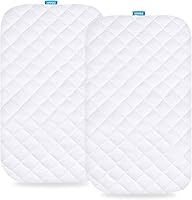
No, a mattress protector doesn't raise or position a baby, and it shouldn't be used to change the mattress shape. Choose one only if it's made for your bassinet and fits under the fitted sheet without bunching.
For example, Biloban's Bassinet Mattress Pad Cover for Baby is described as compatible with the Baby Delight Beside Me Dreamer Bassinet. For fitted-sheet options, see Baby Delight bassinet sheet picks.
Confirm your bassinet model and mattress dimensions before choosing any cover.
The Biloban Waterproof Quilted Bassinet Mattress Pad Cover is described as fitting several bedside bassinet models, including Dream On Me Lotus and INFANS. Check the exact model and fit before use.
Biloban's Waterproof Bassinet Mattress Protector Fits 19" is described as fitting select models such as KoolaBaby and Mika Micky. Measure and check model compatibility before buying.
These covers are mattress accessories, not wedges or positioners. Keep the mattress level and use a fitted sheet as the top layer.
How do you check that the bassinet setup is appropriate?
Follow the bassinet manual and use only the mattress and fitted sheet specified for that model. Check for a level base, snug mattress fit, and no added items in the sleep space.
Avoid homemade wedges, rolled towels, folded blankets, and aftermarket positioners. They can shift or create gaps, even when they seem to hold the baby in place.
If a bassinet sheet protector or cover is part of your setup, it should fit smoothly and leave the sleep surface flat. Compare options in our guide to the best baby bassinet mattress protector.
What should you do if your baby seems uncomfortable lying flat?
Ask your baby's health care provider before changing the sleep setup. Ongoing breathing, feeding, or sleep concerns deserve medical advice rather than an inclined surface or positioning device.
If your baby is having trouble breathing, seek urgent medical care. For less urgent questions, contact the provider who knows your baby's health history and ask what symptoms to watch for.
Is a bassinet wedge ever appropriate?
Use a wedge only if your baby's health care provider recommends a specific product and explains how to use it. Follow that plan and the product instructions, and ask again if the baby's condition or setup changes.
For routine sleep, the decision is simple: choose a flat, firm, level bassinet surface and leave it bare except for a fitted sheet. If you're comparing sleep spaces for siblings, our guide to a bassinet for twins covers options designed for two babies.
Frequently asked questions
Can a newborn sleep on a bassinet wedge?
No, a newborn should not sleep on a bassinet wedge. Wedges and other positioners can create a risk of suffocation or entrapment.
Use a firm, flat, level sleep surface with a fitted sheet, and ask your baby's health care provider before making changes for a medical concern.
What if my newborn spits up or has reflux?
Keep placing your baby flat on their back for sleep, even with reflux, unless a health care provider gives you a specific plan. Raising one end of the bassinet or placing a wedge under the baby can let them slide into a position that makes breathing harder.
Can I put a wedge under the bassinet mattress?
Don't prop up the mattress or bassinet unless its manufacturer specifically permits the setup and your baby's health care provider advises it. A tilted surface can let a newborn slide down.
Keep the sleep surface level and follow the bassinet's instructions.
What should be in a newborn bassinet?
Keep the bassinet sleep space bare except for a fitted sheet made for that mattress. Skip wedges, pillows, loose blankets, liners, toys, and positioners.
Check that the mattress fits snugly and that the bassinet is assembled and used as its manufacturer directs.