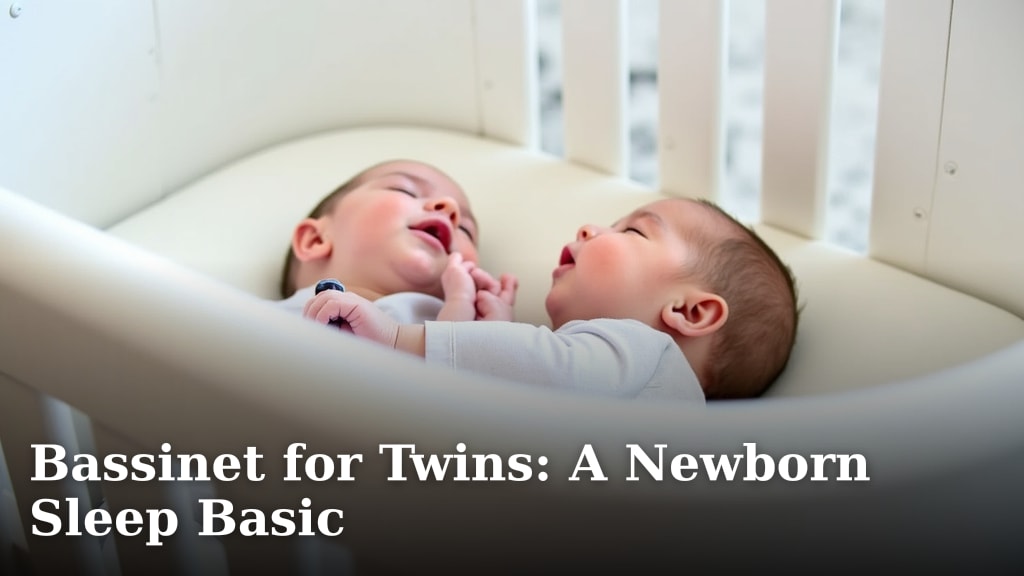
Bassinet for Twins: A Newborn Sleep Basic
Yes, a bassinet for twins is a smart sleep solution for newborns. It offers a safe and cozy space for two babies to rest close together. Many parents find it incredibly helpful for those first few months.
Choosing the right sleep setup for multiples can feel overwhelming. A twin bassinet provides a convenient way to keep your newborns side-by-side. This can help simplify your nighttime routine and provide peace of mind. It’s a common starting point for many families.
- Twin bassinets keep your babies close for easier soothing.
- They offer a safe sleep environment for newborns.
- Look for bassinets with good airflow and sturdy construction.
- Consider the size and weight capacity for growing babies.
Let’s look at what makes a twin bassinet a good choice and what factors to consider when picking one out.
Here is the main body content for your blog post:Your Newborn Twins’ Sleep Haven: Choosing a Bassinet
When you have two little ones arriving, sleep planning becomes even more important. A bassinet designed for twins can be a wonderful starting point. It’s a cozier, more manageable option than a crib for those initial weeks and months. You want a safe, snug spot for them to rest, right?
Why a Twin Bassinet Makes Sense for New Parents
Having twins means double the joy, but also double the work. A twin bassinet simplifies one major aspect: sleep. These bassinets are made to hold two babies side-by-side. This setup allows your newborns to be close. Many parents find this proximity helps them **soothe each other** or feel more secure.
Research suggests that keeping newborns close can be beneficial. It mimics the feeling of being in the womb. For twins, this can lead to **quieter sleep periods**. It also makes nighttime feedings and checks much easier. Instead of running between two separate cribs, you have both babies in one accessible location.
Safety First: What to Look for in a Twin Bassinet
Safety is non-negotiable when it comes to infant sleep. Always ensure the bassinet meets current safety standards. The U.S. Consumer Product Safety Commission (CPSC) sets these guidelines. A safe bassinet will have a **firm, flat sleeping surface**. There should be no soft bedding like blankets or pillows inside.
Ventilation and Airflow
Good airflow is essential for safe sleep. Look for bassinets with mesh sides or open designs. This helps prevent overheating and reduces the risk of suffocation. Many twin bassinets have mesh panels on all sides, allowing for **maximum air circulation**. This is a big win for peace of mind.
Sturdy Construction and Stability
Your bassinet needs to be stable. With two babies, it will hold more weight. Check that the frame is **robust and doesn’t wobble**. The legs should be wide enough to prevent tipping. Ensure there are no gaps where a baby could get trapped.
Weight Limits and Longevity
Most bassinets have weight limits. Twin bassinets will have higher limits to accommodate two babies. It’s important to know when your twins will outgrow the bassinet. Typically, this is around 4-6 months, or when they can push up on their hands and knees. Check the manufacturer’s specifications for the **exact weight and age recommendations**.
Types of Twin Bassinets Available
You’ll find a few different styles of twin bassinets. Understanding these options can help you choose the best fit for your home and needs.
Standard Side-by-Side Twin Bassinets
These are the most common type. They look like a regular bassinet but are wider to fit two babies. They often have **mesh sides for ventilation** and a single mattress pad divided or designed for two. Some may have a canopy over both babies.
Co-Sleeper Twin Bassinets
Some co-sleeper models are designed for twins. These often attach to the side of your bed. They allow your babies to sleep right next to you, with a barrier still in place. This makes **nighttime nursing and comfort** very convenient. Always ensure it’s securely attached to your bed.
Convertible or Multi-Use Bassinets
A few models offer more flexibility. Some twin bassinets can be converted into single bassinets or even playpens as your babies grow. While these might have a **higher initial cost**, they can offer more value over time. Consider if this extended use fits your long-term plans.
Factors to Consider When Choosing Your Twin Bassinet
Selecting the right bassinet involves looking at several key features. Think about your nursery space and your daily routine.
Size and Footprint
Twin bassinets are larger than single ones. Measure your available space before you buy. Make sure there’s enough room for the bassinet itself and for you to move around it comfortably. Consider the **overall dimensions** and how it will fit next to your bed or in the nursery.
Portability and Mobility
Do you plan to move the bassinet around your home? Some twin bassinets have wheels, making them easier to reposition. Others are quite stationary. If you want to move the babies from the nursery to the living room, **look for models with sturdy wheels** and locking mechanisms.
Ease of Cleaning
Babies are messy! You’ll want a bassinet that’s easy to clean. Removable, machine-washable sheets or mattress covers are a lifesaver. Wipeable surfaces for the frame are also a good idea. Think about how **practical the materials** are for everyday use.
Storage Features
Some twin bassinets come with handy storage pockets or shelves. These can be useful for keeping diapers, wipes, burp cloths, and other essentials close by. This can save you extra trips out of the room when you’re exhausted. Extra storage is **often a parent’s best friend**.
Making the Most of Your Twin Bassinet: A Quick Checklist
Ready to find the perfect bassinet? Here’s a handy checklist to guide your decision:
- Safety Standards: Ensure it meets CPSC guidelines.
- Sturdy Frame: Check for stability and no wobbling.
- Good Airflow: Prioritize mesh sides or open designs.
- Firm Mattress: A flat, firm surface is essential.
- Appropriate Size: Measure your space carefully.
- Easy to Clean: Look for washable covers and wipeable surfaces.
Choosing a twin bassinet is a practical step for many new parents of multiples. It provides a safe, convenient, and close sleeping space for your newborns. By focusing on safety, stability, and your specific needs, you can find a bassinet that brings you peace of mind during those precious early months.

Conclusion
Choosing a twin bassinet is a practical step for many new parents of multiples. It provides a safe, convenient, and close sleeping space for your newborns. You’ve learned why it makes sense, what safety features to prioritize, and the different types available. By focusing on safety, stability, and your specific needs, you can find a bassinet that brings you peace of mind. Take the time to measure your space and consider how you’ll use it daily. This preparation will help you make the best choice for your growing family during those precious early months.
Frequently Asked Questions
How long can my twins use a bassinet?
Most twin bassinets are designed for use until your babies reach about 4 to 6 months old. They also have a weight limit, so check the manufacturer’s specifications. You should stop using the bassinet when your twins can push up on their hands and knees or sit up independently, as this indicates they are ready for a larger sleep space.
Are twin bassinets safe for newborns?
Yes, twin bassinets are safe when they meet current safety standards set by organizations like the CPSC. Always ensure the bassinet has a firm, flat sleeping surface with no soft bedding. Good airflow through mesh sides is also vital for safe sleep. Always follow the manufacturer’s instructions for use.
Can I put my twins in the same bassinet if it’s not specifically for twins?
It’s generally not recommended to put twins in a single bassinet unless it’s a model specifically designed and tested for two babies. Standard bassinets are made for one infant and do not have the correct size, weight capacity, or safety features to accommodate two newborns safely side-by-side.
What’s the difference between a twin bassinet and two separate bassinets?
A twin bassinet is a single unit designed to hold two babies next to each other. This can be convenient for soothing and monitoring both infants simultaneously. Using two separate bassinets means they take up more floor space and require you to move between them for care. The main benefit of a twin bassinet is keeping your babies close together in one accessible spot.
How much space do I really need for a twin bassinet?
Twin bassinets are wider than standard bassinets. Measure your available space carefully before purchasing. You’ll need enough room for the bassinet itself, plus clearance around it for you to move freely and access your babies. Consider where it will sit, whether next to your bed or in a nursery, and check the overall dimensions listed by the manufacturer.