9 Best Baby Changing Pads (November 2026)
The best baby changing pads include the Rocinha Disposable Changing Pads for Baby for disposable everyday use, the Stack Man Disposable Changing Pads [100-Pack] Diaper Pad for travel and backup, and the Stack Man Chucks Pads Disposable [100-Pack] Multi-Purpose Pee for larger disposable coverage.
On this page (11 sections)
- The best baby changing pads for tables, dressers and travel
- How to compare the best baby changing pads
- Disposable or reusable: which best baby changing pads fit your routine?
- What size should a changing pad be for a dresser?
- How do grip and straps help during diaper changes?
- Which cleaning method fits your home?
- Who needs a larger pad for toddlers or newborns?
- What about waterproof, non-toxic and color options?
- When does a changing basket or scale help?
- How do you set up and care for a changing pad?
- The verdict on the best baby changing pads
The best baby changing pads for most families are the Rocinha Disposable Changing Pads for Baby, because the 100-pack is easy to use and protects surfaces without laundry.
We compared nine options by support, dimensions and cleaning needs. Disposable pads win for speed, and wipeable or washable pads win for comfort and long-term use.
Our score z weighs specs and features against what you need for daily changes.
Our picks at a glance
-
1
 Best for disposable everyday use
Rocinha Disposable Changing Pads for Baby
9.7/10 our score
See it on Amazon -
2
 Best for travel and backup
Stack Man Disposable Changing Pads [100-Pack] Diaper Pad
9.6/10 our score
See it on Amazon -
3
 Best for larger disposable coverage
Stack Man Chucks Pads Disposable [100-Pack] Multi-Purpose Pee
9.5/10 our score
See it on Amazon
- 4
 Check it
Blissful Diary Vegan Leather Baby Changing Pad
Best for wipeable contoured support - 5
 Check it
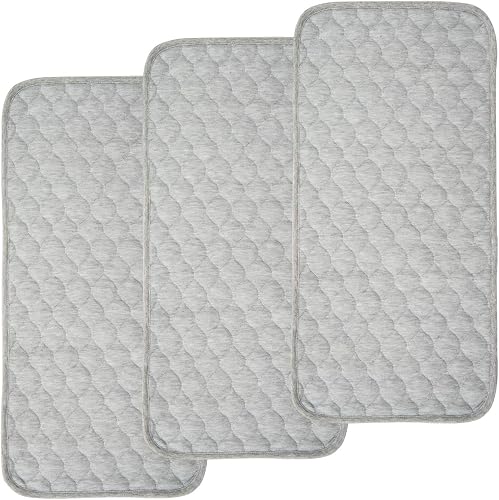
BlueSnail Quilted Thicker Waterproof Changing Pad Liners
Best for soft reusable liners - 6
 Check it
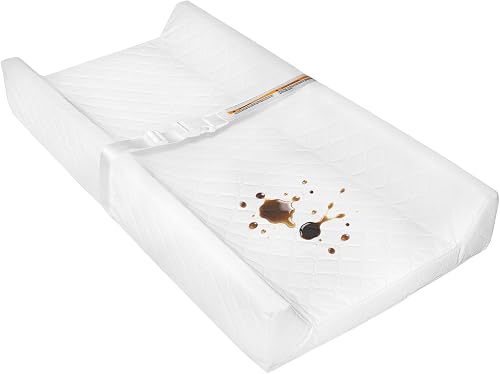
JVEOO Waterproof Baby Changing Pad Wipeable Diaper
Best for wipeable travel use - 7
 Check it
Munchkin Secure Grip Waterproof Baby Changing Pad
Best for grip on dressers - 8
 Check it
Rocinha Large Disposable Changing Pads for Baby
Best for large disposable pads - 9
 Check it
Konssy Baby Changing Pad Set with Waterproof
Best for washable muslin covers
The best baby changing pads for tables, dressers and travel
Disposable options lead this list for homes with frequent changes. Contoured reusable pads follow for parents who want a fixed setup.
Rocinha Disposable Changing Pads for Baby: Best for disposable everyday use
- 100 pack
- 17 x 13 inches
- Polymer absorbent resin
- Waterproof PE bottom and sides
- Soft non-woven surface
A high-count disposable pad that protects tables and beds without laundry. It suits frequent changes at home and on the go.
Pros
- Large 100 pack
- Fast absorption
- Leak-proof bottom
Cons
- Single use
- Smaller than contoured pads
Rocinha suits parents who change diapers many times a day and want fast cleanup. Its 100 pack means you can keep pads at home, in a car and in a diaper bag without running out quickly.
Each pad is 17 x 13 inches with a soft non-woven surface. That size covers a baby's bottom area well, but it does not cover a full changing table top.
The polymer resin absorbs liquid in seconds, and Rocinha says the PE bottom and sides are leak-proof. Use it under a baby to help protect mattresses, table tops and bedding.
It also works for feeding, night bed protection and other uses besides diaper changes. The trade-off is waste, since each pad is single use and must be thrown away after use.
Choose it for speed and hygiene. Skip it if you want a cushioned, contoured surface that stays in place for a wiggly baby.
Stack Man Disposable Changing Pads [100-Pack] Diaper Pad: Best for travel and backup
- 100 pack
- 17 x 13 inches
- Premium polymer layers
- Waterproof barrier
- Lightweight and travel-friendly
A lightweight 100-pack that folds for a diaper bag or car. It works as a table cover, travel liner or backup under a reusable pad.
Pros
- 100 pack
- Quick-dry design
- Travel-friendly
Cons
- Disposable waste
- No contoured sides
Stack Man suits travel, backup use and parents who want a simple underpad. Its 100 pack at 17 x 13 inches folds small and stays light at 4.97 pounds for the pack.
The polymer layers absorb liquid and help lock away wetness. The waterproof barrier helps protect changing tables, beds and furniture from spills.
It is listed with model VP-1713-100PK and dimensions of 13 x 17 x 0.04 inches. That thin profile fits in a bag, drawer or car console.
The pad is multi-purpose, so you can use it for diaper changes, puppy training or incontinence care. For baby use, it works best as a liner on top of a contoured pad.
The trade-off is that it has no raised sides or strap. A wiggling baby can roll off the edge, so keep one hand on your baby at all times.
Stack Man Chucks Pads Disposable [100-Pack] Multi-Purpose Pee: Best for larger disposable coverage
- 100 pack
- 17 x 24 inches
- Premium polymer layers
- Leak-proof protection
- Multi-purpose underpad
A larger 17 x 24 inch disposable that covers more of the changing area. It suits parents who want extra margin under a wiggling baby.
Pros
- Larger 17 x 24 size
- 100 pack
- Multi-purpose use
Cons
- Disposable waste
- No raised sides
Stack Man Chucks suits parents who want more coverage than a 17 x 13 inch pad. This version is 17 x 24 inches, so it covers more of the changing area.
The 100 pack gives you plenty for home, travel and backup use. Polymer layers absorb liquid, and the leak-proof barrier helps protect tables and beds.
At 24 x 17 x 0.39 inches, it is larger and a bit thicker than the smaller Stack Man pad. That extra length can help when a baby kicks or shifts during a change.
It is multi-purpose, with uses listed for diaper changing, puppy training and incontinence. For a nursery, it works as a table liner or a layer under a reusable pad.
The trade-off is the same as other disposables. It creates waste and has no contoured sides or safety strap to help keep a baby in place.
Blissful Diary Vegan Leather Baby Changing Pad: Best for wipeable contoured support
- 31.25 x 16 x 4.25 inches
- Waterproof PU cover
- Foam padding
- Contoured anti-roll sides
- Quick-release belt
- Non-skid bottom
A contoured wipeable pad with foam support and a quick-release belt. It fits standard changing tables and most dressers.
Pros
- Wipe-clean PU surface
- Contoured sides
- Safety belt
Cons
- Needs a cover on top for softness
- Reusable, so it needs washing
Blissful Diary suits parents who want a fixed, cushioned setup on a dresser or table. For public restrooms, compare wall-mounted changing tables.
It is 31.25 x 16 x 4.25 inches, so it fits standard changing tables and most dressers.
The waterproof PU cover wipes clean in seconds. That helps when you need a fresh surface for the next change without changing a cover.
Foam padding and contoured anti-roll sides give more support than a flat disposable. A quick-release belt and straps help keep a baby in place during changes.
Blissful Diary says the vegan leather is free of PVC and phthalates and meets U.S. ASTM and CPSIA standards.
The taupe color fits many nursery styles.
The trade-off is care. You will wipe the PU surface often, and a soft cover on top can add comfort but needs washing too.
BlueSnail Quilted Thicker Waterproof Changing Pad Liners: Best for soft reusable liners
- 3 count
- 13 x 27 inches
- 4 layers
- 100% rayon face
- Machine washable
- Waterproof layer
Soft quilted liners that sit on top of a standard changing pad. They add comfort and can be washed and reused.
Pros
- Soft quilted feel
- Machine washable
- Generous 13 x 27 size
Cons
- 3 count only
- Needs a pad underneath
BlueSnail suits parents who want a soft layer on top of a standard pad. Each liner is 13 x 27 inches, which covers most standard changing pads.
The quilted design has 4 layers and a 100% rayon face. BlueSnail says the quilted knit traps air for a soft, blanket-like feel.
The liners are reusable, machine washable and dryer friendly. That makes them a lower-waste choice than disposables for daily use.
A waterproof layer helps add protection under the soft top. It also gives you extra protection during messy changes, so you can rinse or wash the liner instead of the whole pad.
The trade-off is count. You get only 3 liners, so plan laundry between uses.
It also needs a contoured pad underneath for full support.
JVEOO Waterproof Baby Changing Pad Wipeable Diaper: Best for wipeable travel use
- 31.5 x 16 inches
- Waterproof wipeable surface
- Double-layer PEVA vinyl quilted fabric
- Non-slip base
- Safety strap with quick-release buckle
- Contoured sides
- Lightweight and portable
A wipeable contoured pad sized for dressers and changing tables. Its light weight makes it simple to move between rooms.
Pros
- Wipeable surface
- Non-slip base
- Safety strap
Cons
- No washable cover included
- Vinyl surface may feel cool
JVEOO suits parents who want a wipeable pad that moves between rooms. It is 31.5 x 16 inches, so it fits standard dressers and changing tables.
The surface is waterproof and wipeable for quick cleanup. JVEOO says it is made of double-layer PEVA vinyl quilted fabric.
A non-slip base helps keep the pad steady. Two contoured sides and a safety strap with a quick-release buckle help keep a baby in place.
The design is light and portable, so you can use it for travel or move it from a dresser to a table. The simple modern look fits many nursery styles.
The trade-off is surface feel. Vinyl can feel cool compared with fabric, and there is no washable cover included for a softer top layer.
Munchkin Secure Grip Waterproof Baby Changing Pad: Best for grip on dressers
- 14.75 x 31 inches
- Xtra-Grip rubber dots
- Waterproof wipeable surface
- Raised contoured sides
- Built-in safety straps
- Fabric straps with screws included
A grippy contoured pad that helps stay put on dressers and tables. The included attachment straps add stability for active babies.
Pros
- Xtra-Grip rubber dots
- Attachment straps included
- Raised sides
Cons
- Narrower than some pads
- Screws needed for full attachment
Munchkin suits dressers and tables where sliding is a problem. It is 14.75 x 31 inches in white and fits most dressers and standard pad covers.
Xtra-Grip rubber dots help keep the pad steady on flat surfaces. The waterproof surface wipes down quickly after messes.
Raised sides and cushioned support help keep newborns, infants and toddlers in place. Built-in straps with a buckle help secure a baby during changes.
Fabric straps with screws are included to attach the pad to a dresser or table. That added step helps with stability, especially for active babies.
The trade-off is width. At 14.75 inches wide, it is narrower than 16 inch pads, so check your top size first.
Screws also mean a more permanent setup.
Rocinha Large Disposable Changing Pads for Baby: Best for large disposable pads
- 50 pack
- 24 x 17 inches
- Non-woven fabric and fluff pulp
- Polymer absorbent resin
- Waterproof PE bottom
- 3 layers
Large 24 x 17 inch disposable pads for bigger changing areas. The pink color and 50 pack suit use as a bed or table liner.
Pros
- Large 24 x 17 size
- High absorption
- Leak-proof bottom
Cons
- 50 pack, fewer than 100 packs
- Disposable waste
Rocinha Large suits parents who want a big disposable pad. It is 24 x 17 inches in pink, with a 50 pack in the box.
The surface uses non-woven fabric and fluff pulp. Rocinha says it is soft and skin-friendly for tender skin.
Polymer resin absorbs liquid in seconds, and the PE bottom and sides are leak-proof. That helps protect beds, tables and clothes during changes.
The large size gives more margin than a 17 x 13 inch pad. You can also use it as a sleep liner, feeding pad or pet pad.
The trade-off is count and waste. A 50 pack runs out faster than a 100 pack, and each pad is single use.
It also has no raised sides or strap.
Konssy Baby Changing Pad Set with Waterproof: Best for washable muslin covers
- 32 x 16 inches
- High-density foam
- Waterproof lining
- 2 muslin covers included
- Contoured anti-roll sides
- Quick-release safety belt
- Non-slip bottom
- Adjustable straps
A foam contoured pad with two washable muslin covers and a waterproof lining. The spare cover helps keep changes going between washes.
Pros
- Two muslin covers
- Waterproof lining
- Non-slip bottom
Cons
- Must wash covers
- Muslin needs regular laundering
Konssy suits parents who want washable covers and a spare. The set includes 2 muslin covers for a 32 x 16 inch foam pad.
The muslin cotton surface is soft and breathable. High-density foam gives support, and contoured anti-roll sides help a baby feel snug.
A waterproof lining helps keep leaks from soaking into the foam. The elasticized edges help the cover stay in place during kicks.
A quick-release safety belt, non-slip bottom and adjustable straps add stability. The dotted backing helps the pad grip dressers and tables.
The trade-off is laundry. Muslin covers must be washed, so the spare cover is a real benefit.
It also needs care to keep the foam and lining dry between washes.
How to compare the best baby changing pads
We compared support, dimensions and cleaning needs first. Disposable pads are fastest, while contoured pads give the most support.
We checked size, surface type, grip, straps and count for each option. We also looked at what is included, like spare covers or attachment straps.
Our score weighs specs, features and buyer feedback against what you're shopping for. A high score does not mean one pad fits every home.
Measure your table or dresser top before you choose. A pad that is too wide or too long will overhang and slide.
Disposable or reusable: which best baby changing pads fit your routine?
Disposable pads fit busy days, travel and night changes. You use one, toss it, and move on.
Reusable pads fit a fixed changing station. You wipe or wash them and reuse them for months.
Many parents use both. A contoured reusable pad with a disposable liner on top gives support plus fast cleanup.
If waste matters to you, start with a best wipeable changing pad. Reusable liners like BlueSnail also cut waste.
Disposable pads for speed
Disposable pads like Rocinha and Stack Man absorb fast and need no laundry. They are best for newborn weeks and travel.
Use a larger size, like 17 x 24 inches, if your baby kicks a lot. That extra margin helps protect the table.
Reusable pads for comfort
Contoured pads like Blissful Diary, JVEOO and Konssy give foam support. They stay in place better for daily use at home.
Add a washable liner if you want a softer top. BlueSnail liners at 13 x 27 inches fit most standard pads.
What size should a changing pad be for a dresser?
Most dressers fit a pad about 31 to 32 inches long and 16 inches wide. The Blissful Diary, JVEOO and Konssy all sit in that range.
Measure length, width and depth of your table top. Leave room for wipes, diapers and a trash bag beside the pad.
If your top is close to 32 x 15 inches, check our guide to baby changing table pads 32 x 15 best price. That size check saves returns.
A best changing table pad should sit flat with no overhang. Overhang can catch and pull the pad out of place.
Contoured pads for standard tops
Contoured pads have raised sides that help keep a baby centered. They are about 4 inches high on some models.
That height helps with wiggly babies. It also means you need to check cabinet clearance below a dresser top.
Flat liners for custom tops
Flat liners fit odd sizes because you can trim or layer them. Disposable pads at 17 x 24 inches cover more area than small pads.
Use a flat liner on top of a contoured pad for extra protection. That combo is easy to change between messes.
How do grip and straps help during diaper changes?
Grip keeps the pad from sliding when a baby kicks. Straps help keep a baby in a safe position.
Munchkin uses Xtra-Grip rubber dots and screw-in straps. Blissful Diary, JVEOO and Konssy use non-skid bottoms and safety belts.
A best changing pad with strap suits active babies who roll or twist. Always keep one hand on your baby, even with a strap.
A best contoured changing pad also helps by giving raised sides. That shape can keep a newborn from rolling to the edge.
Non-slip bottoms
A non-slip bottom works on wood, laminate and most dresser tops. It is simple and needs no screws.
Check that the bottom stays clean. Dust and lotion can reduce grip over time.
Attachment straps
Screw-in straps give the most stability. Munchkin includes fabric straps with screws for this setup.
That option is less portable. It suits a fixed dresser rather than a pad you move often.
Which cleaning method fits your home?
Wipeable pads need a quick wipe after each change. Washable covers need laundry but feel softer.
Disposable pads need no cleaning at all. They cost more over time and create more waste.
A silicone changing pad with a smooth surface can wipe clean fast. Compare that ease with fabric covers you must wash.
An organic cotton changing pad gives a soft, breathable top. It will need regular washing to stay fresh.
Wipe-clean surfaces
PU and PEVA vinyl surfaces wipe in seconds. Blissful Diary and JVEOO use these types of surfaces.
Spray safe for the surface, wipe, then let it dry. That routine suits fast daily changes.
Washable covers
Muslin and quilted liners can go in the wash. Konssy includes two covers so you always have a spare.
Wash in cold water and dry as directed. A spare cover keeps the station ready between washes.
Who needs a larger pad for toddlers or newborns?
Toddlers need more length and width because they kick and twist. Newborns need support and a snug, secure surface.
For a growing baby, look at a best changing pad for toddler. A longer contoured pad gives more room to move.
For a newborn, a best changing pad for newborn with raised sides and a strap helps. Keep changes quick and calm.
An extra large changing pad can help on a big dresser top. Measure first so the pad does not overhang.
Newborn support
Newborns may need 10 changes a day or more. A wipeable pad at a fixed station makes that routine easier.
Blissful Diary notes that frequent changes are normal in early weeks. A spare cover or liner helps you keep up.
Toddler room to move
Toddlers roll and stand during changes. A strap and contoured sides help you keep them safe.
Use a disposable liner on top for big messes. That way you can toss the liner and keep the pad clean.
What about waterproof, non-toxic and color options?
Waterproof protection keeps urine from soaking into foam or wood. Look for a waterproof lining or PE bottom.
A best changing pad waterproof option should have a sealed bottom. Check that the sides are also protected.
For material concerns, compare a best non toxic changing pad. Blissful Diary states its vegan leather is free of PVC and phthalates.
If color matters, a best changing pad pink option like the large Rocinha disposable may fit your nursery. Pink or taupe can match many styles.
Waterproof linings
Disposable pads use a PE membrane on the bottom. Reusable pads use a waterproof lining under foam.
That lining protects the foam core. Wipe the top surface and let the pad dry fully between uses.
Non-toxic materials
Check what the brand states about PVC, phthalates and toxins. Blissful Diary names those points for its PU cover.
JVEOO says its PEVA vinyl is soft and non-toxic. Read the full care and safety notes before you buy.
When does a changing basket or scale help?
A basket holds pads, wipes and diapers in one place. It can keep a dresser top neat.
A best changing pad basket suits parents who want storage built in. Check that the basket fits your dresser top.
A changing pad with scale suits parents who track weight at home. That feature adds cost and bulk.
Most families do not need a scale built in. A standard contoured pad plus a separate scale may be simpler.
How do you set up and care for a changing pad?
Start with a clean, dry dresser or table top. Place the pad flat and check for overhang on all sides.
Add a disposable liner or washable cover on top. Keep wipes, diapers and a spare outfit within reach.
After a change, wipe or wash the surface. Let it dry before the next use so moisture does not build up.
If you use a baby changing table, check that the pad fits the built-in area. A contoured pad should sit snug with no gaps.
Store spare disposables in a drawer or bag. Keep a small pack in a car or diaper bag for travel changes.
The verdict on the best baby changing pads
For most families, the Rocinha Disposable Changing Pads for Baby are the easiest everyday choice. The 100 pack and leak-proof bottom make cleanup fast.
Pick the Blissful Diary for a wipeable contoured setup with a belt. Pick the Konssy if you want two washable muslin covers and a waterproof lining.
Pick the Stack Man 17 x 24 inch pack if you want larger disposable coverage. Pick BlueSnail liners if you want a soft reusable top layer.
Measure your top, choose disposable or reusable, and check grip and straps. That order will help you find the right pad for your routine.
Our top 3 picks at a glance
-
1
Best for disposable everyday use
Rocinha Disposable Changing Pads for Baby
9.7/10 our score
See it on Amazon -
2
Best for travel and backup
Stack Man Disposable Changing Pads [100-Pack] Diaper Pad
9.6/10 our score
See it on Amazon -
3
Best for larger disposable coverage
Stack Man Chucks Pads Disposable [100-Pack] Multi-Purpose Pee
9.5/10 our score
See it on Amazon
Frequently asked questions
What is the best baby diaper changing pad for a table?
For a table, choose a contoured pad that matches the table top size. The Blissful Diary at 31.25 x 16 inches and the JVEOO at 31.5 x 16 inches fit standard tops.
Add a disposable liner on top for faster cleanup.
Should I use disposable or reusable changing pads?
Disposable pads suit travel, night changes and messy days because cleanup is fast. Reusable pads reduce waste and cost less over time.
Many parents use a reusable contoured pad with a disposable liner on top.
What size changing pad fits most dressers?
Most standard dressers fit a pad about 31 to 32 inches long and 16 inches wide. Measure the flat top before you order.
Leave space for wipes and diapers beside the pad.
How do I keep a changing pad from sliding?
Look for a non-slip bottom, rubber grip dots or attachment straps. The Munchkin uses grip dots and screws, while the Blissful Diary and Konssy use non-skid bottoms.
A snug cover also helps.