What Is a Portable Bassinet? A Clear Answer
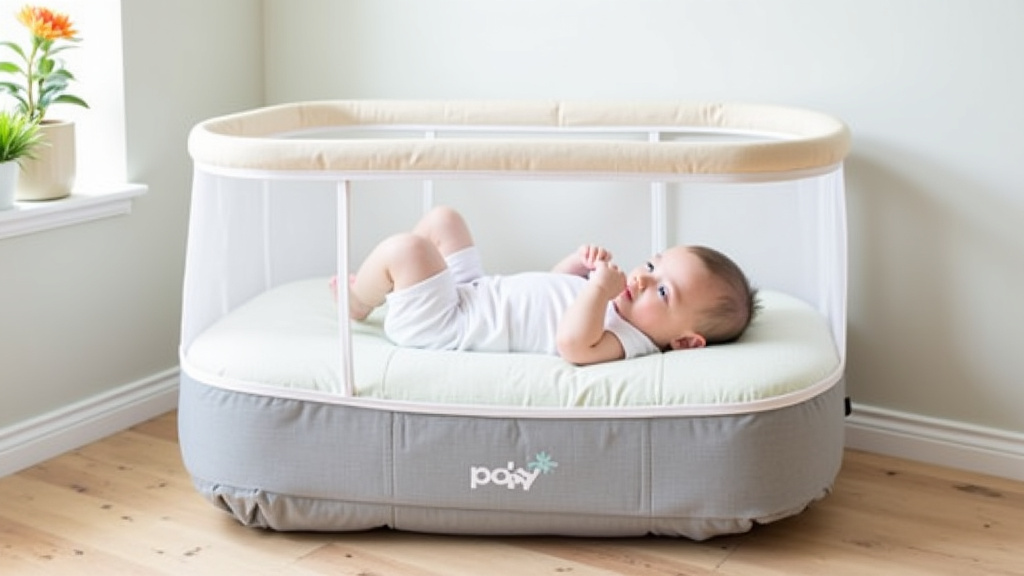
A portable bassinet is a lightweight, foldable bed for your baby. It offers a safe place for them to sleep, either at home or on the go. Think of it as your baby’s cozy, travel-sized nest, perfect for naps in different rooms or during trips.
Many parents find these bassinets incredibly helpful for keeping their newborn close. They are designed for convenience and mobility. You can easily move it from your bedroom to the living room. This means your baby can rest nearby while you tackle daily tasks.
- A portable bassinet is a collapsible baby bed.
- It allows your baby to sleep safely anywhere.
- Great for naps and travel.
- Easy to move around your home.
- Provides a cozy sleeping spot for newborns.
Let’s break down exactly what makes a portable bassinet a smart choice for modern parents and what you should look for when choosing one.
Understanding Portable Bassinets: Your Baby’s Safe Sleep Solution
A portable bassinet is essentially a small, lightweight bed designed specifically for newborns and infants. It’s built with mobility in mind, allowing you to easily move your baby’s sleeping space around your home or even take it with you on short trips. Think of it as a safe, designated spot for your little one to rest, close at hand, wherever you are.
These bassinets offer a secure environment for your baby to sleep, much like a crib but on a smaller scale and with added portability. They are designed to be used from birth until your baby starts to show signs of rolling over or pushing up, which is typically around 4 to 6 months old. The goal is to keep your baby close and safe during those frequent newborn naps and nighttime feedings.
Key Features and Benefits of a Portable Bassinet
When we talk about portability, we’re referring to several key design elements that make these bassinets easy to handle. They are generally constructed with lightweight materials, often aluminum or sturdy plastics, which reduces their overall weight. Many models also feature a collapsible frame, meaning they can fold down compactly for storage or transport.
The main benefit is undoubtedly the ability to keep your baby’s sleep space nearby. This is a big win for parents. You can have your baby sleeping soundly in the living room while you’re busy with chores. Or, you can move it into your bedroom at night, making those midnight feedings much simpler without having to get out of bed fully. This proximity is often recommended for easier monitoring of your infant, as suggested by many sleep safety guidelines.
Convenience for New Parents
New parents often feel overwhelmed with the constant needs of a newborn. A portable bassinet simplifies one aspect: where the baby sleeps. Instead of a large, stationary crib, you have a sleep solution that moves with you. This means less stress about disturbing your baby’s sleep when you need to change rooms.
Safety Considerations
Safety is always the top priority when it comes to baby gear. Portable bassinets are designed to meet specific safety standards. They typically have a firm, flat sleeping surface, which is crucial for preventing SIDS (Sudden Infant Death Syndrome). Always ensure the bassinet you choose meets current safety regulations, such as those set by the CPSC (Consumer Product Safety Commission).
It’s important to remember that a portable bassinet is a temporary sleep solution. As your baby grows, they will need a larger, more permanent sleep space like a crib. Pay attention to the weight and developmental limits outlined by the manufacturer. Once your baby can push up on their hands and knees, or even just roll over, the bassinet is no longer a safe option for sleep.
What to Look For in a Portable Bassinet
Choosing the right portable bassinet involves considering a few key factors to ensure it meets your needs and provides a safe sleep environment. You want something that’s not just portable but also comfortable and secure for your baby.
Portability and Ease of Folding
How easy is it to fold and unfold? Some models require a simple click or two, while others might have more complex mechanisms. If you plan on traveling frequently or moving it between rooms daily, look for a system that’s quick and intuitive to operate. Some even come with a travel bag, making them ideal for car trips or storing in tight spaces.
Size and Footprint
While portable, these bassinets vary in size. Consider the space you have. Do you need something that tucks neatly beside your bed, or a slightly larger one for the living room? Measure the areas where you plan to use it. A smaller footprint might be better for cramped apartments, while a slightly larger one could offer more room for your baby to stretch.
Mattress Firmness and Breathability
The mattress is where your baby will sleep, so its quality matters. Look for a firm, flat mattress that fits snugly within the bassinet walls, leaving no gaps. Breathable materials are also a plus, helping to regulate your baby’s temperature and potentially reduce the risk of overheating. Many bassinets come with a fitted sheet, but you’ll need to ensure the mattress itself is safe.
Height and Accessibility
Consider the height of the bassinet. If you plan to keep it next to your bed, a higher model might be more convenient for reaching your baby without fully standing up. This can be a lifesaver during those frequent nighttime feeds and diaper changes. Some bassinets have adjustable heights, offering more flexibility.
Storage Features
Does the bassinet offer any storage? Some have pockets or a lower shelf where you can keep essentials like diapers, wipes, or a change of clothes. This can be incredibly handy, especially if you’re using it in a room where you don’t have easy access to a changing table or dresser.
Durability and Materials
Even though it’s portable, you want a bassinet that feels sturdy and well-made. Check the frame for stability. The fabrics should be easy to clean, as spit-ups and diaper leaks are common. Most portable bassinets use washable fabrics, which is a must-have for busy parents.
Types of Portable Bassinets
The world of portable bassinets isn’t one-size-fits-all. You’ll find different styles designed to suit various needs and preferences. Understanding these can help you narrow down your search.
The Basic Foldable Bassinet
This is your standard portable bassinet. It features a simple frame that folds down, usually quite flat. These are often the most budget-friendly options and are great if you just need a reliable, portable sleep spot for naps around the house or occasional travel.
The Bedside Sleeper (Co-Sleeper)
These bassinets are specifically designed to attach to your bed. They have a side panel that lowers or is made of mesh, allowing you to keep your baby right beside you. This makes nighttime feeding incredibly convenient – you can simply reach over and pick up your baby. Many bedside sleepers are also portable and can be moved away from the bed for daytime naps.
Research from organizations like the American Academy of Pediatrics (AAP) often discusses safe sleep practices, including room-sharing. Bedside sleepers can facilitate room-sharing in a safe way, provided they meet all safety standards and are used correctly.
The Travel Crib/Playard with Bassinet Insert
This is a larger, more versatile option. It’s essentially a small playpen that often comes with a bassinet insert for newborns. Once your baby outgrows the bassinet insert, you can remove it, and the playard serves as a safe space for your baby to play or nap as they get older. These are typically more robust and heavier than standalone bassinets but offer longer-term use.
A Quick Checklist for Choosing Your Portable Bassinet
To help you make your decision, consider these points. Does the bassinet you’re looking at:
- Fold easily and compactly for storage or travel?
- Have a firm, flat sleeping surface?
- Meet current safety standards?
- Have breathable mesh sides (if applicable)?
- Offer a comfortable, well-fitting mattress?
- Fit your budget and lifestyle needs?
Portable Bassinets vs. Cribs vs. Moses Baskets
It can be helpful to see how portable bassinets compare to other baby sleep options. Each serves a slightly different purpose.
| Feature | Portable Bassinet | Standard Crib | Moses Basket |
|---|---|---|---|
| Portability | High (folds, lightweight) | Low (stationary, heavy) | High (lightweight, easy to carry) |
| Size | Compact, for newborns | Larger, for infants/toddlers | Smallest, for newborns only |
| Lifespan | Birth to ~4-6 months | Birth to ~2-3 years | Birth to ~3-4 months (or until baby rolls) |
| Primary Use | Naps, room-sharing, travel | Primary sleep space | Napping, keeping baby close on a stable surface |
| Safety Features | Firm mattress, secure sides | Deep sides, slat spacing, firm mattress | Firm mattress, secure sides (often requires separate stand) |
While a Moses basket is also portable, it’s generally made of woven materials like wicker or palm and has a much shorter usable lifespan. A standard crib is the long-term sleep solution. A portable bassinet bridges the gap, offering convenience and safety for those early months when your baby needs to be close.
Conclusion
You’ve learned that a portable bassinet is a fantastic tool for new parents. It offers a safe, convenient sleep space that moves with you. Whether you’re napping in another room or traveling, it keeps your baby close. Remember to prioritize safety and check the manufacturer’s limits as your baby grows. Choosing the right portable bassinet means selecting one that folds easily, has a firm mattress, and fits your lifestyle.
Now, take your time to research different models that best suit your home and travel needs. Your baby’s comfort and safety are key.
Frequently Asked Questions
How long can my baby use a portable bassinet?
Your baby can typically use a portable bassinet from birth until they reach about 4 to 6 months old. The main limit is when your baby starts to show signs of rolling over or can push themselves up. Always check the weight and developmental limits specified by the bassinet’s manufacturer.
Are portable bassinets safe for unsupervised sleep?
Portable bassinets are designed for safe sleep when used correctly. This means a firm, flat surface and no extra bedding. Always follow the manufacturer’s instructions and safety guidelines. While convenient, it’s always wise to keep your baby within sight whenever possible.
Can I use a portable bassinet as my baby’s primary crib?
A portable bassinet is intended as a secondary sleep space or for use during the early months. It’s perfect for naps in different rooms or keeping your baby close in your bedroom. For longer-term sleep, especially as your baby grows, a standard crib is recommended.
How do I clean a portable bassinet?
Most portable bassinets have washable fabrics that can be wiped down with a damp cloth and mild soap. Check the care instructions for the specific model. The mattress cover is usually removable and machine washable, which is helpful for dealing with spills or spit-ups.
What is the difference between a portable bassinet and a travel crib?
A portable bassinet is generally smaller, lighter, and folds more compactly for easy transport. A travel crib, sometimes called a playard, is often larger and more robust, offering a safe space for both sleep and play. Many travel cribs include a bassinet insert for newborns, providing a longer use period.