Do I Need a Moses Basket? A Quick Answer
So, do you really need a Moses basket for your new baby? The short answer is no, you don’t strictly need one. While they are a charming and convenient option for a baby’s first few months, many parents find other bassinets or cribs work just as well. A Moses basket is essentially a lightweight, portable bed for newborns.
These baskets offer a cozy spot for your baby to sleep, especially in the early days. They are designed for supervised naps and keeping your baby close. Many parents love them for their portability around the house. However, remember that babies grow quickly and will outgrow a Moses basket relatively fast.
- Moses baskets are not a must-have item.
- They offer a portable sleeping space for newborns.
- Babies will outgrow them within a few months.
- Consider your living space and needs.
- Other bassinet or crib options are available.
Let’s take a closer look at what a Moses basket is, who it’s best for, and what alternatives you might consider. We’ll help you decide if it’s the right choice for your family.
Understanding the Moses Basket: Is It Right for Your Baby?
So, you’re wondering if a Moses basket is a must-have for your new little one. The quick answer is no, it’s not strictly essential. Think of it as a charming, convenient extra rather than a non-negotiable baby item. Moses baskets are essentially lightweight, portable beds designed for newborns in their very first months.
They offer a cozy, snug space for your baby to rest. These baskets are ideal for supervised naps when you want your baby close by. Many parents appreciate their portability around the home. However, babies grow incredibly fast. They tend to outgrow a Moses basket relatively quickly, usually within three to six months.
What Exactly is a Moses Basket?
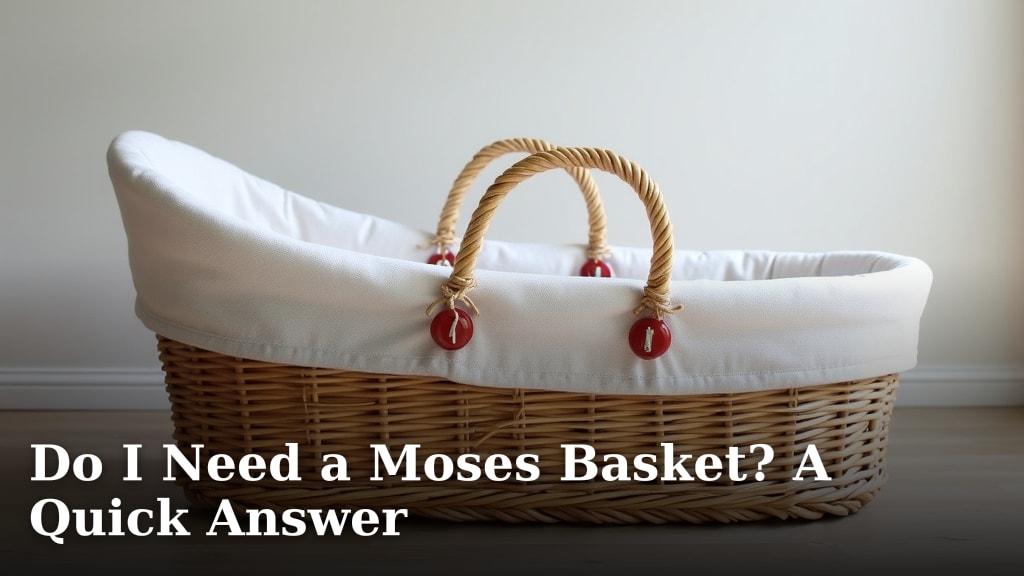
A Moses basket is a traditional baby bed. It’s typically made from woven natural materials like seagrass, wicker, or palm leaves. These baskets have sturdy handles for easy carrying. Inside, you’ll find a firm mattress covered with a fitted sheet. They’re designed to be safe and comfortable for newborns.
These baskets are meant for short-term use. They provide a snug sleeping environment that can feel secure for a newborn. Because they are so light, you can move them easily from room to room. This means your baby can nap safely near you as you go about your day.
Who Benefits Most from a Moses Basket?
A Moses basket shines for parents who want their baby sleeping close by. If you plan to have your baby nap in the living room while you watch TV, it’s a great option. It’s also handy if you live in a smaller home or apartment. You can easily move it from your bedroom at night to the nursery during the day.
Parents who travel frequently might also find them useful. Some Moses baskets are easy to pack or transport. They offer a familiar sleeping spot for your baby when you’re away from home. Just remember to always check safety guidelines before traveling with one.
It’s important to note that Moses baskets are for supervised sleep only. They are not designed for overnight sleeping without adult supervision. The American Academy of Pediatrics recommends a firm, flat sleep surface for infants to reduce the risk of SIDS.
Portability and Convenience: The Big Draw
The main selling point of a Moses basket is its portability. Imagine your baby drifting off to sleep on your bedside table. Later, you can carry the basket to the living room for a nap. This convenience is a huge plus for many new parents. You don’t need to worry about a bulky bassinet.
Having your baby nearby can also be reassuring. You can keep an eye on them and respond quickly to their needs. This closeness can make the transition to parenthood a little less daunting. It feels easier to manage when your baby is right there.
Size and Lifespan: What to Expect
Moses baskets are designed for newborns. Babies typically grow out of them within three to six months. This depends on the baby’s size and development. Once your baby can push up on their hands and knees, or even roll over, it’s time to transition to a larger bed.
The size is a double-edged sword. It makes them portable and snug but also means they have a limited lifespan. You’ll likely need a crib or a larger bassinet by the time your baby is six months old. This is something to consider in your overall baby gear budget.
Safety First: Important Considerations
Safety is always the top priority. Moses baskets must meet certain safety standards. Look for ones that are sturdy and well-constructed. The mattress should be firm and fit snugly within the basket. There should be no gaps where a baby’s head could get trapped.
The handles should be strong and securely attached. Never leave your baby unattended in a Moses basket, especially as they grow. Once your baby can move independently, the basket may no longer be safe. Always place the basket on a firm, flat surface, never on a raised or wobbly stand.
The Consumer Product Safety Commission (CPSC) provides guidelines for safe sleep environments. They emphasize the importance of a firm sleep surface and keeping soft bedding away from the baby’s face. Moses baskets, when used correctly, can meet these requirements.
Moses Basket vs. Other Bassinets and Cribs
It’s helpful to compare Moses baskets to other baby sleep options. This will clarify if it fits your needs. Here’s a quick look:
| Feature | Moses Basket | Standard Bassinet | Crib |
|---|---|---|---|
| Lifespan | 0-6 months (approx.) | 0-6 months (approx.) | 0-3 years (or longer) |
| Portability | Very High | Medium | Low (stationary) |
| Size | Small, snug | Medium | Large |
| Cost | Lower | Medium | Higher |
| Features | Basic sleeping spot | Often with rocking, wheels, storage | Adjustable mattress height, sturdy rails |
As you can see, each option has its own advantages. A Moses basket offers ultimate portability for the early weeks. A standard bassinet might offer more features for longer use. A crib is the most significant investment and the longest-lasting sleep solution.
When a Moses Basket Might NOT Be the Best Choice
If you plan on co-sleeping in the same room for an extended period, a Moses basket might be too small. Babies grow out of them so quickly. If you prefer a bassinet that lasts longer or has more features like wheels or a rocking function, a Moses basket won’t meet those needs.
Parents who plan to have the baby sleep in a separate nursery from day one might also find less use for one. They are best for when you want that immediate closeness and easy transport. If your baby is a larger baby or hits developmental milestones quickly, their time in a Moses basket will be even shorter.
Some parents also find that their baby simply doesn’t take to the snug confines of a Moses basket. Every baby is different! What works perfectly for one might not be ideal for another. It’s wise to have a backup plan.
Alternatives to Consider
If you decide a Moses basket isn’t for you, there are several excellent alternatives. Many parents opt for a standard baby bassinet. These are usually larger than Moses baskets and often come with features like wheels for easy movement, gentle rocking motions, or storage shelves.
Some bassinets are designed to attach to your bed, allowing for safe bedside sleeping. These can be very convenient for nighttime feedings. The Mayo Clinic often suggests room-sharing for the first six months to a year as a way to improve infant safety (Mayo Clinic).
Of course, the ultimate bassinet is the baby crib. While it’s not portable, a crib is a safe, long-term sleeping solution. It provides ample space for your baby to grow and move. Many parents use a Moses basket or bassinet for the first few months and then transition their baby to a crib.
Making Your Decision: A Checklist
To help you decide if a Moses basket is right for your family, consider these points:
- How much space do you have?
- Do you want to move the baby’s sleep spot often?
- What is your budget for baby sleep items?
- How long do you anticipate using a portable bassinet?
- Does the baby’s nursery have a crib already?
- Are you comfortable with a smaller, shorter-term sleep solution?
By answering these questions, you can get a clearer picture of your needs. A Moses basket can be a wonderful, charming addition for some families. For others, a larger bassinet or crib might be a more practical choice.

Conclusion
Ultimately, you don’t strictly need a Moses basket for your new baby. These charming baskets offer a cozy, portable spot for supervised naps in the early months. However, they have a short lifespan, as babies outgrow them quickly. When deciding, consider your living space, budget, and how important portability is for your family’s routine. You have excellent alternatives like standard bassinets or cribs if a Moses basket doesn’t quite fit your needs. We recommend weighing these points carefully to make the best choice for your unique situation.
Frequently Asked Questions
How long can my baby actually use a Moses basket?
Most babies will outgrow a Moses basket within three to six months. This depends on their size and how quickly they reach developmental milestones, like rolling over or pushing up. Once your baby can move independently, it’s time to transition to a larger sleep space for safety.
Is a Moses basket safe for overnight sleeping?
Moses baskets are designed for supervised naps only, not unsupervised overnight sleeping. Always ensure your baby is on a firm, flat surface. The American Academy of Pediatrics recommends room-sharing for at least the first six months to reduce SIDS risk. A Moses basket can be in your room, but you must be awake and aware of your baby.
What should I do if my baby doesn’t like the Moses basket?
It’s possible your baby might not feel secure in a Moses basket. If this happens, don’t worry. You can try a different type of bassinet or transition them to a crib. Every baby is different, so have a backup sleep plan in place just in case.
Can I use a Moses basket as my baby’s only sleeping place?
While convenient for short periods and naps, a Moses basket is not a long-term solution. Babies grow quickly and will outgrow it. You will likely need a larger bassinet or a crib for overnight sleeping and longer naps as your baby gets bigger.
Are Moses baskets better than standard bassinets?
Neither is strictly “better”; they serve different purposes. Moses baskets excel in portability and snugness for newborns. Standard bassinets are often larger, may have wheels or rocking features, and can last a bit longer. Your choice depends on your priorities for convenience, space, and duration of use.