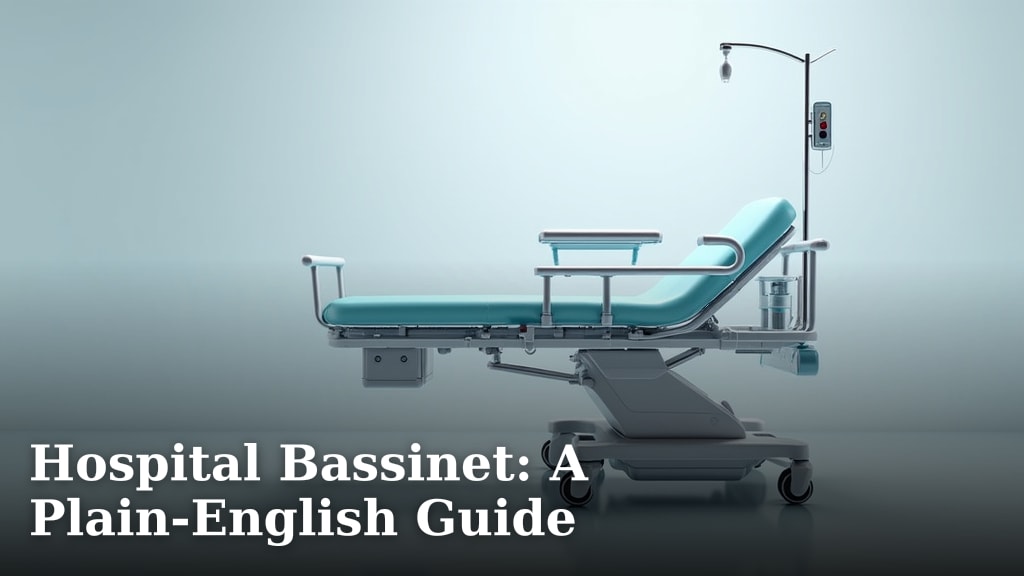
Hospital Bassinet: A Plain-English Guide
A hospital bassinet is a safe, enclosed bed designed for newborns. It helps keep your baby secure and comfortable in the hospital. These bassinets often have wheels for easy movement and clear sides so staff can see your baby clearly.
You’ll find different types of hospital bassinets available. Some are basic sleeping spaces, while others have added features like adjustable height or built-in scales. Understanding these options can help you know what to expect for your new baby. We found that many parents appreciate the mobility and visibility they offer.
- What is a hospital bassinet?
- Why are they used in hospitals?
- Key features to look for.
- How they ensure baby safety.
Let’s walk through exactly what a hospital bassinet is and why it’s a standard part of newborn care.
Understanding the Newborn Bassinet in Hospitals
A hospital bassinet is essentially your newborn’s first official bed. It’s a **specialized crib** designed for newborns in a healthcare setting. Think of it as a safe, secure, and convenient space for your baby to rest. Hospitals use them to keep babies close to nursing staff. This makes monitoring and feeding much easier.
These bassinets are designed with **clear sides**. This allows nurses and doctors to see your baby at a glance. It’s also helpful for you, as you can peek in on your little one. Many are on wheels, making them easy to move between the nursery and your room. They are a **standard piece of equipment** in maternity wards everywhere.
Why Hospitals Rely on Bassinets for Newborns
The primary reason hospitals use bassinets is for **baby safety and monitoring**. Newborns are incredibly fragile. They need a secure environment. Bassinets provide a contained space, preventing accidental falls. They also keep the baby away from general foot traffic.
Another big reason is **convenience for staff**. Having babies in bassinets right by the bedside allows nurses to check on them frequently. This includes checking breathing, temperature, and overall well-being. It also makes it easier for nurses to attend to feeding needs promptly. This quick access is vital in the early days.
For parents, bassinets offer **peace of mind**. You can keep your baby close to you while you recover. This closeness helps with bonding. It also allows you to get used to your baby’s cues. You can easily reach your baby for cuddles or breastfeeding without leaving your bed.
Facilitating Essential Newborn Care
Bassinet design plays a role in **routine newborn care**. Many are adjustable in height. This helps medical staff find a comfortable working level. It reduces strain during examinations or procedures. It also means nurses don’t have to bend too far, which is good for their own health.
Some advanced bassinets have **built-in scales**. This allows for accurate weight checks without moving the baby. Monitoring weight is important for newborns. It helps ensure they are feeding well and gaining appropriately. This feature saves time and reduces stress on the baby.
Promoting Baby’s First Sleep Environment
A bassinet is designed to be a **calm and secure sleeping area**. The enclosed sides can mimic the feeling of being held. This can help babies feel safe and settled. The mattress is firm and flat, which is recommended for safe sleep. This helps reduce the risk of sudden infant death syndrome (SIDS).
The clear visibility also means staff can ensure the baby is always placed on their back. This is the safest sleep position. They can also quickly spot any signs of distress. This constant oversight is a key part of newborn safety protocols (CDC).
Key Features You’ll Find on Hospital Bassinets
When you’re in the hospital, you’ll likely see a few common types of bassinets. They might look similar, but there are often variations. Understanding these can help you know what to expect during your stay.
Mobility and Stability
Most hospital bassinets are equipped with **wheels**. These allow nurses to easily move the bassinet. This might be for repositioning it next to your bed. It could also be for moving the baby to the nursery for tests or a bath. The wheels usually have **locks** to keep the bassinet stable when needed. This combination of movement and security is a top priority.
Adjustable Features
Some bassinets offer **height adjustment**. This is a big help for nurses and doctors. It allows them to set the bassinet at the most comfortable level for them. This can make examinations and procedures easier for the staff. It also means they can position the bassinet perfectly for you to see your baby.
You might also find bassinets with an **adjustable incline**. While not common for everyday sleep, this feature can be useful. It can help babies with reflux or congestion. However, for regular sleep, health guidelines strongly recommend a flat surface (American Academy of Pediatrics).
Visibility and Access
As mentioned, **clear sides** are a standard feature. These are often made of transparent plastic. This makes it easy for anyone to see the baby inside. It allows you to keep an eye on your little one. It also lets medical staff monitor the baby from a distance. This constant visibility is a key safety aspect.
Many bassinets also have **lift-away or drop-down sides**. This feature provides easy access to the baby. It’s especially useful for breastfeeding or holding your newborn. You can reach your baby without straining. This makes those bonding moments even more accessible.
Built-in Conveniences
Some advanced models come with **integrated scales**. These are designed to weigh the baby right in the bassinet. This avoids the need to move the baby to a separate scale. It’s a very efficient way to track weight gain. This is particularly helpful in the early days after birth.
You might also find bassinets with **storage shelves or drawers** underneath. These are handy for keeping baby essentials nearby. Things like diapers, wipes, or extra blankets can be stored here. It helps keep your space organized. It means everything you need is within easy reach.
How Bassinets Ensure Your Baby’s Safety
The design of a hospital bassinet is all about keeping your baby **safe and sound**. Every feature serves a purpose in protecting your newborn.
Secure Structure
The enclosed nature of a bassinet is its most obvious safety feature. The walls prevent the baby from rolling out. They create a **defined and secure perimeter**. This is essential for newborns who have limited mobility.
Safe Sleep Surface
The mattress in a hospital bassinet is **firm and flat**. This is a critical safety standard. Soft surfaces can increase the risk of suffocation. A firm mattress supports the baby’s back and head. This adheres to recommendations for reducing SIDS risk (CDC).
Easy Monitoring by Staff
The clear sides and open designs make it simple for **nurses to monitor the baby**. They can quickly check for any signs of distress. This includes observing breathing patterns and skin color. This constant vigilance is a major benefit of the hospital setting.
Reduced Handling
Features like built-in scales and adjustable heights mean **less unnecessary handling**. Each time a baby is moved or repositioned, there’s a small risk. Minimizing this helps keep the baby stable. It also helps maintain their body temperature.

What to Expect: A Bassinet Checklist for Your Stay
As you prepare for your hospital stay, knowing what to look for can be helpful. While you don’t choose the bassinet, understanding its purpose can ease your mind. Here are some common features you’ll likely encounter:
- Wheels with Locks: For easy movement and stability.
- Clear Side Panels: To allow for constant visibility.
- Firm, Flat Mattress: The standard for safe newborn sleep.
- Adjustable Height: For comfortable access by medical staff.
- Easy-Access Sides: To facilitate feeding and holding your baby.
- Optional Storage: A small shelf or drawer for essentials.
Comparing Bassinet Types: Basic vs. Feature-Rich
Hospitals use a range of bassinets. Some are very basic, while others have more advanced features. The main difference often comes down to the hospital’s budget and equipment. It’s good to know what might be available.
Standard Hospital Bassinets
These are typically simple, functional units. They offer the essential features: wheels, clear sides, and a safe sleeping surface. They are designed for durability and ease of cleaning. Their main purpose is to provide a secure space for the baby. They often have a simple, adjustable height mechanism.
Advanced or Deluxe Bassinets
Some hospitals invest in newer models. These might include features like:
- Integrated digital scales
- More sophisticated height adjustment mechanisms
- Built-in lighting for nighttime checks
- Even warming features, though less common
These features aim to improve efficiency for staff and comfort for the baby. Research has shown that features like scales can improve data collection accuracy (NIH).
| Feature | Description | Benefit |
|---|---|---|
| Wheels | All bassinets have wheels for mobility. | Easy to move around the room or down hallways. |
| Clear Sides | Transparent panels for viewing the baby. | Allows staff and parents to monitor baby at all times. |
| Adjustable Height | The bassinet height can be raised or lowered. | Ergonomic benefit for staff, better viewing for parents. |
| Built-in Scale | Some models have a scale for weighing the baby. | Convenient for frequent weight checks without moving the baby. |
| Storage | A shelf or drawer below the mattress. | Keeps baby necessities organized and within reach. |
While the specific model may vary, the core function remains the same. A hospital bassinet is there to provide a **safe and accessible place** for your newborn during your stay.
Conclusion
You’ve learned that a hospital bassinet is much more than just a bed for your newborn. It’s a carefully designed piece of equipment focused on your baby’s safety and easy monitoring. Features like clear sides, secure structures, and firm mattresses work together to create a safe sleep environment. The mobility and adjustable aspects also help medical staff provide the best care for you and your baby. As you prepare for your little one’s arrival, understanding these bassinets can bring you added peace of mind. Ask your hospital about the types of bassinets they use and any specific features you might find helpful during your stay.
Frequently Asked Questions
Can I bring my own bassinet to the hospital?
Generally, hospitals prefer you use their provided bassinets. This is for safety reasons and to ensure easy monitoring by staff. They are specifically designed to meet hospital safety standards. It’s best to check with your hospital’s maternity ward about their specific policy on personal items.
Will the hospital bassinet be next to my bed?
Yes, hospital bassinets are designed to be placed right next to your bed. This allows you to keep your baby close for bonding and breastfeeding. It also makes it easy for nurses to monitor your baby frequently. You can usually adjust the bassinet’s position for your comfort.
Are hospital bassinets safe for co-sleeping?
Hospital bassinets are designed for your baby to sleep alone. They are not intended for co-sleeping with parents. The firm, flat surface and enclosed sides are for your baby’s individual safe sleep. Hospitals have strict guidelines to prevent accidental suffocation or injury.
Can I take the hospital bassinet home with me?
No, hospital bassinets are equipment owned by the hospital. They are not provided for parents to take home. They are a standard part of the hospital’s nursery and maternity ward supplies. You will need to arrange for a bassinet for your home separately.
How often will my baby be checked in the bassinet?
Nurses will check on your baby frequently while they are in the bassinet. This includes monitoring their breathing, temperature, and overall well-being. The clear sides and proximity to your bed allow for constant observation. Your care team will adjust checks based on your baby’s needs.