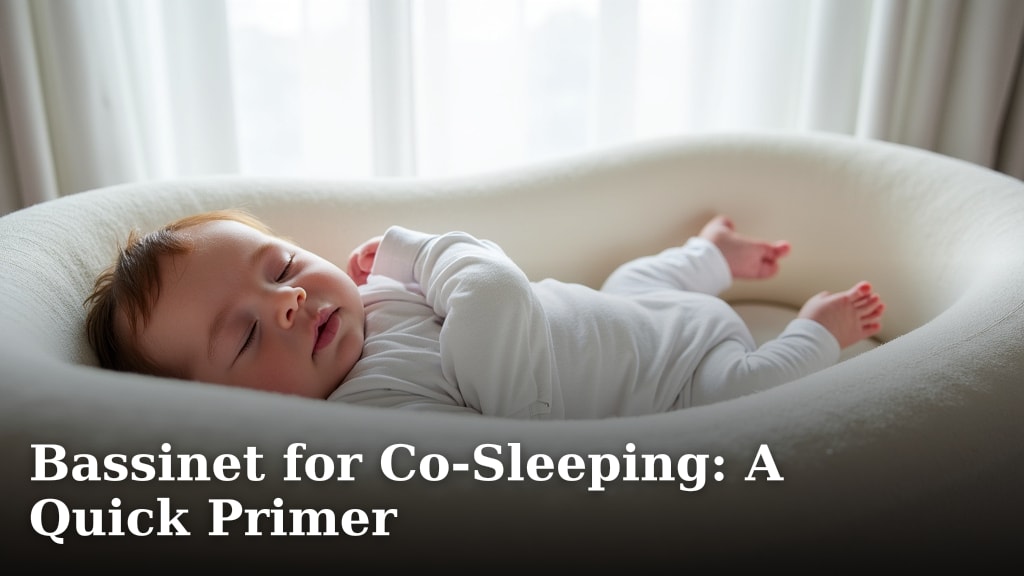
Bassinet for Co-Sleeping: A Quick Primer
Yes, a bassinet can be a safe and convenient option for co-sleeping if used correctly. It allows your baby to sleep close to you while maintaining their own separate sleep space. Choosing the right bassinet and following safe sleep guidelines are key.
Co-sleeping means sharing a sleep surface with your baby. A bassinet designed for co-sleeping typically attaches to the side of your bed. This setup provides easy access for nighttime feedings and comforting. Research supports the benefits of room-sharing for both parents and babies, and a bassinet makes this arrangement more practical.
- A bassinet provides a safe, separate sleep space next to your bed.
- It makes nighttime feeding and comforting much easier.
- Look for bassinets that securely attach to your bed.
- Always follow safe sleep guidelines for babies.
- This can help improve sleep for both you and your little one.
Let’s walk through what makes a bassinet suitable for co-sleeping and how to use it safely. We’ll cover everything you need to know to make an informed decision.
Understanding Bassinets for Bedside Sharing
When you’re a new parent, sleep becomes a precious commodity. You want your baby close for comfort and feeding. But you also need to sleep soundly yourself. A bassinet can bridge that gap. It allows for room-sharing without sharing the same sleep surface. This setup is often called bedside sharing or co-sleeping, and it comes with some great advantages.
A bassinet is essentially a small, portable bed for your infant. For bedside sharing, it’s designed to sit right next to your adult bed. This makes it easy to reach your baby. You can soothe them, feed them, or check on them without getting out of bed. Many parents find this arrangement incredibly helpful during those first few months. It can make nighttime parenting feel much more manageable.
What Makes a Bassinet Suitable for Co-Sleeping?
Not all bassinets are created equal when it comes to bedside sharing. The most important feature is its ability to securely attach to your bed. This ensures it stays put. Some bassinets are standalone, while others are specifically designed to connect. Look for models with stable legs or attachment systems. These prevent the bassinet from shifting or tipping over. This stability is key for your baby’s safety.
The height of the bassinet also matters. It should be at a similar height to your mattress. This provides a level sleep surface for your baby. It also allows you to easily see and interact with your little one. Think of it like a mini extension of your bed. You want it to feel integrated and accessible. Easy access is what makes bedside sharing so convenient.
Attachment Features to Look For
When choosing a bassinet for bedside sharing, pay close attention to how it attaches. Some models have a frame that slides under your mattress. Others come with straps that secure around your bed frame. The goal is a firm and secure connection. You don’t want any gaps between your bed and the bassinet. These gaps can be a suffocation hazard for your baby. Always double-check the manufacturer’s instructions for attachment.
Consider the stability of the connection. Does it feel sturdy? Can it withstand a gentle nudge without wobbling? If you’re unsure, it’s always best to err on the side of caution. Your baby’s safety is the top priority. Researching reviews can also give you insights into how well a particular bassinet stays attached.
Height and Accessibility
The right height makes all the difference. Your baby’s sleep surface should be at or slightly below the level of your mattress. This prevents them from rolling out of the bassinet. It also makes it easier to lift your baby for nighttime feedings. You won’t have to strain or struggle. Think about your own mattress height. Then, find a bassinet that complements it. Many adjustable bassinets are available.
Accessibility goes beyond just height. Is the side of the bassinet easy to reach? Can you comfortably place your hand inside to comfort your baby? Some bassinets have drop-down sides or mesh panels. These can enhance accessibility. However, always ensure these features do not compromise safety. A secure side is crucial, even if it’s low. The idea is to have your baby close but in their own safe space.
Safe Sleep Guidelines: Bassinet Edition
Using a bassinet for bedside sharing is wonderful, but safety must always come first. Safe sleep practices are non-negotiable. The American Academy of Pediatrics (AAP) provides clear guidelines. These are designed to reduce the risk of Sudden Infant Death Syndrome (SIDS) and other sleep-related infant deaths. Following these rules is essential.
The AAP recommends that infants sleep in the same room as their parents for at least the first six months. They should sleep on their own separate sleep surface. This is where a bassinet shines. It provides that separate space within your room. This room-sharing arrangement has been linked to a reduced risk of SIDS. It also makes feeding and comforting easier.
The ABCs of Safe Bassinet Sleep
Remember the ABCs: Alone, on their Back, in a Crib (or bassinet). Your baby should always sleep alone in their bassinet. This means no pillows, blankets, bumpers, or stuffed animals in the sleep space. These items can pose suffocation or strangulation risks. The bassinet itself should be clear.
Always place your baby on their back for every sleep. This is the safest sleep position. It significantly reduces the risk of SIDS. Even for naps, always put your baby on their back. The Crib or bassinet should be firm. Avoid soft mattresses or surfaces. The bassinet mattress should be flat and taut.
What NOT to Put in the Bassinet
This is a critical point. Keep the bassinet clutter-free. No extra bedding is the rule. This includes:
- Pillows
- Soft blankets
- Quilts
- Crib bumpers
- Stuffed animals
- Positioners
These items can obstruct your baby’s breathing. They can also lead to overheating. A simple, firm mattress with a fitted sheet is all your baby needs. If you need to keep your baby warm, use a sleep sack or wearable blanket. Ensure it’s the correct size. Always check the temperature of the room. It should be comfortable for a lightly clothed adult.
Avoiding Hazards
Beyond clutter, other hazards exist. Never use a bassinet that is damaged or wobbly. Ensure all parts are secure. If you received a bassinet secondhand, check for recalls. The U.S. Consumer Product Safety Commission (CPSC) website is a good resource for this. Also, be mindful of the side-car attachment if your bassinet connects to your bed. Make sure there are no gaps where your baby could get trapped.
Ensure the bassinet is on a level surface. It should not be near blind cords or other dangling hazards. The area around the bassinet should be clear. You want to create a safe sleep zone for your little one. This attention to detail brings peace of mind.
Benefits of Using a Bassinet for Bedside Sharing
The advantages of using a bassinet for bedside sharing are many. They cater to both baby and parent needs. The primary benefit is enhanced bonding. Having your baby so close allows for more interaction. You can see their little movements and hear their soft breaths. This closeness can be incredibly comforting for new parents.
It also addresses the practicalities of newborn care. Nighttime feedings are frequent. With a bassinet, you can scoop up your baby, feed them, and put them back down with minimal disruption. This can lead to more sleep for you. It also allows the baby to drift back to sleep more easily. This system often leads to better sleep for everyone involved.
Easier Nighttime Feedings and Comforting
Imagine this: your baby stirs and fusses. Instead of a full trek to a crib across the room, you simply reach over. You can pick them up, soothe them, and offer a feeding. This ease is a lifesaver in those sleep-deprived early weeks. You don’t have to fully wake yourself up. This makes the process smoother for both you and your baby.
Studies have shown that room-sharing, facilitated by a bassinet, can reduce the incidence of SIDS. This is a significant benefit. It’s not just about convenience; it’s about safety and well-being. The ability to quickly respond to your baby’s needs offers reassurance. This reassurance can help reduce parental stress. That, in turn, can lead to better sleep quality for parents.
Convenience for Parents
Let’s be honest, those first few months are exhausting. Anything that simplifies your routine is a win. A bassinet next to your bed does just that. It streamlines nighttime care. It also allows you to keep an eye on your baby easily. You can check their breathing or see if they need a diaper change without getting up. This is especially helpful if you are recovering from childbirth.
Many bassinets are also lightweight and portable. This means you can move them around the house if needed. Want your baby in the living room while you relax? No problem. This portability adds another layer of convenience. It makes managing your baby’s sleep throughout the day and night much simpler. It’s a tool that supports your busy life as a new parent.
Choosing the Right Bassinet: Key Features to Consider
With so many options on the market, selecting the right bassinet can feel overwhelming. However, focusing on a few key features will help you narrow it down. Think about your specific needs and your bedroom setup. What will work best for your family?
Consider the materials. Is the bassinet made of breathable fabric? Does it have good ventilation? These factors contribute to your baby’s comfort and safety. Also, think about the weight limit. While you’ll likely transition to a crib before hitting it, it’s good to know. Durability is another point. You want a bassinet that will last through the newborn stage.
Portability and Storage
Will you need to move the bassinet often? If you plan to use it in different rooms or travel with it, portability is key. Look for lightweight models with sturdy wheels. Some bassinets fold up for easier storage when not in use. This is a great feature if space is limited. Imagine packing it away when your baby outgrows it or for a visit to grandma’s house.
The ease of assembly is also part of portability. You don’t want to struggle with complicated instructions. A bassinet that sets up quickly and easily is a huge plus. Check reviews to see how user-friendly the assembly process is. Many parents appreciate a quick setup after a long day.
Mattress Quality and Cleanliness
The mattress is where your baby sleeps, so its quality matters. It should be firm and flat, as recommended by safe sleep guidelines. It should fit snugly within the bassinet frame with no gaps. A waterproof mattress cover is highly recommended. Accidents happen, and a waterproof layer makes cleanup much easier.
Look for bassinets with removable, washable liners or fabrics. This makes maintaining a clean sleep environment simple. Babies can be messy! Spills, spit-ups, and diaper leaks are common. Being able to toss the fabric into the washing machine offers peace of mind. It ensures a hygienic sleeping space for your little one.
Safety Certifications and Testing
When purchasing a bassinet, look for products that meet current safety standards. Organizations like the Juvenile Products Manufacturers Association (JPMA) certify products that meet rigorous safety criteria. While not always mandatory, certification provides an extra layer of assurance. It means the product has undergone independent testing.
Check the manufacturer’s information. Do they provide details about their safety testing? Reputable brands are transparent about their safety practices. Always prioritize products from trusted manufacturers. Reading user reviews can also highlight any potential safety concerns that others have encountered. Your baby’s safety is the most important factor.
Budget and Longevity
Bassinets come in a wide range of prices. Determine your budget before you start shopping. You don’t necessarily need the most expensive model to get a safe and functional bassinet. Focus on the essential safety features. Many affordable options meet all the necessary safety criteria.
Consider how long you’ll use the bassinet. Most babies outgrow bassinets around 4-6 months, or when they can push up on their hands and knees. This means it’s a temporary sleep solution. Factor this into your decision. You might not need a bassinet with all the bells and whistles. A simple, safe, and secure bassinet will serve its purpose well.

Making Bedside Sharing Work for Your Family
Integrating a bassinet for bedside sharing is a practical approach to newborn sleep. It balances the need for closeness with the importance of safe, separate sleep. By choosing the right bassinet and following safe sleep guidelines, you can create a secure environment for your baby. This setup can make those early weeks and months much more manageable for everyone.
Remember that every baby is different. What works for one family might not work for another. Be open to adjusting your approach as needed. The goal is to find a rhythm that supports healthy sleep for your baby and adequate rest for you. A well-chosen bassinet can be a wonderful tool in achieving that balance.
A Quick Checklist for Bassinet Safety and Use:
- Ensure the bassinet securely attaches to your bed with no gaps.
- Always place your baby on their back to sleep.
- Keep the bassinet free of all loose bedding and toys.
- Use a firm, flat mattress that fits snugly.
- Never leave the bassinet unattended when attached to your bed if there are gaps.
- Check for recalls and ensure the bassinet is in good condition.
Conclusion
You’ve learned how a bassinet can be a safe and practical choice for bedside sharing. It offers your baby their own sleep space while keeping them close for easy nighttime care. Remember, the key is choosing a bassinet that securely attaches to your bed and always following safe sleep guidelines. Prioritize a firm, flat surface with no loose items in the bassinet. Now, take these steps to find the right bassinet for your family. You’ll be setting yourselves up for more peaceful nights.
Frequently Asked Questions
How do I know if my bassinet is securely attached to my bed?
Check that the bassinet has no gaps between its side and your mattress. Ensure any straps or frames are tightened according to the manufacturer’s instructions. A secure attachment prevents the bassinet from shifting or tipping over.
Can I use a bassinet if my bed is very high or very low?
Yes, many bassinets are designed with adjustable heights or different leg configurations. Look for models that can match your mattress height. This ensures your baby’s sleep surface is level and easily accessible.
What are the signs a baby has outgrown their bassinet?
Babies typically outgrow bassinets around 4-6 months. Look for signs like rolling over, pushing up on their hands and knees, or reaching the bassinet’s weight limit. These indicate it’s time to move them to a crib.
Is it safe to leave my baby in a bedside bassinet all day?
Yes, it is generally safe to have your baby sleep in a properly attached bassinet throughout the day and night. Always ensure the bassinet is still securely attached and free from hazards.
What if my bassinet doesn’t attach directly to the bed?
If your bassinet is standalone but placed right next to your bed, ensure it’s stable and at the same height as your mattress. While not true “bedside sharing,” it still allows for room-sharing and close proximity.