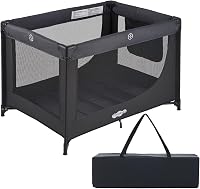
How to Choose Replacement Baby Crib Hardware
Choose baby crib hardware replacement parts that match your exact crib brand, model and size, and use only manufacturer approved fasteners for that model. A loose or wrong bolt can leave a joint weak, so match length, thread, head type and finish before you order.
On this page (12 sections)
- How do I identify the exact hardware for my crib model?
- How can I tell if a bolt or nut is the right size?
- When should I replace crib hardware instead of tightening it?
- How do convertible crib parts differ from standard crib hardware?
- How do I check mattress support hardware and brackets?
- Which crib hardware kits are worth buying as a set?
- How do I order manufacturer approved replacement parts?
- How do folding crib hinges, casters and locks need care?
- How tight should crib bolts be, and how often should I check them?
- What safety checks should I do after I install replacement hardware?
- How can I avoid the most common hardware mistakes?
- Which crib hardware should I buy first for my situation?
The right baby crib hardware replacement parts are the exact fasteners, brackets and fittings made for your crib model. They restore the joint strength the maker designed, while a generic bolt may be too short, too long or threaded in a way that strips wood.
Start with the crib label. It should show the brand, model number and size.
Keep that label visible until you have ordered, because many parts that look alike fit only one frame.
Our score weighs specs, features and buyer feedback against what you are shopping for. We compared product data for the models below and checked compatibility notes before we included them.
How do I identify the exact hardware for my crib model?
Identify hardware by brand, model number and crib size first, then by the part name. That order prevents most mistakes, because the same bolt name can mean different sizes across brands.
Find the label on the inside of a rail, the end panel or the mattress support. Write down the full model number, including letters and numbers.
Do not rely on the color name, since the same finish can cover several models.
Next, name the part you need in plain words. Examples include a barrel nut, a through bolt, a caster wheel, a hinge pin, a mattress support bracket or a side rail connector.
A clear name helps the maker match the part.
What should I measure on the old part?
Measure the part that came with the crib. Record overall length, thread diameter, thread pitch if you can count it, head diameter and type, and any washer or insert that goes with it.
Photograph the part next to a ruler. A photo helps when you call or message the maker, and it shows the head style and any shoulder that a short description may miss.
Keep the old part in a bag until the new part arrives. You can then compare them side by side and confirm that the replacement matches before you remove the old piece.
Rule: if the model number and the old part do not match the replacement, do not install it.
How can I tell if a bolt or nut is the right size?
A bolt is right when its length, diameter, thread and head match the original for that joint. Length matters because a short bolt may not reach the nut, and a long bolt may poke through wood or block a moving part.
Thread matters in the same way. A bolt with the wrong pitch can start in the hole and then bind, cross thread or pull out under load.
Force is not a fix for a thread mismatch.
Head type matters for tools and clearance. A hex head, a socket head and a Phillips head need different tools, and a head that sits too proud can catch bedding or fingers.
Why does bolt length need care in wood cribs?
Wood joints need enough thread engagement to hold, but extra length can split thin rails or push past the far side. This is why makers list a specific length for each joint, even when the diameter looks common.
Measure from under the head to the tip for a bolt, and note if the maker counts the head in the stated length. Small differences can matter in a rail that is only about an inch thick.
If you are unsure, ask the maker for the part number. A short wait for the correct part is safer than a joint that feels tight for a day and loosens later.
Rule: match the original length and thread, and never trim or force a bolt to fit.
When should I replace crib hardware instead of tightening it?
Replace hardware when it is bent, cracked, stripped, rusted, missing or no longer holds tight. Tightening helps only when the threads and the wood are still sound.
If the joint moves again after tightening, the part or the wood has lost its grip.
Look at the wood around each hole. Cracked, split or worn wood can fail even with a new bolt.
In that case, the crib may need a maker repair part or it may be time to retire the crib.
Check casters and wheels for worn treads, bent stems and loose locks. A caster that wobbles can make a folding crib hard to steady, even if the main frame bolts are tight.
The Delta Children Folding Portable Mini Baby Crib with 1.5-inch Mattress is 39 in wide, 25 in deep and 37.25 in high. Delta Children says it folds flat for travel and storage, and the 37.5 in by 23.25 in by 1.5 in mattress stores in the crib when folded.
Its 2-position mattress height lets you lower the mattress as your baby begins to sit or stand. That feature is useful, but the support hardware must still lock firmly at each position.
Rule: replace any part that will not stay tight, and stop using the crib until it does.
How do convertible crib parts differ from standard crib hardware?
Convertible crib parts include rails, brackets and kits that turn a crib into a toddler bed, a daybed or a full size bed. They are not standard crib bolts, because they carry load in a new shape and use different connection points.
Only use a conversion kit that the maker lists for your exact crib model. A kit for a full size crib may not fit a mini crib, and a kit for one brand may not match the rail spacing of another.
Our guide to convertible crib parts helps you check that fit before you order. It also explains why the conversion rails, rather than the original crib bolts, do most of the structural work after the change.
The DaVinci Hidden Hardware Twin/Full-Size Bed Conversion Kit (M5789) is made of wood and finished with a non-toxic multi-step process that DaVinci says is lead and phthalate safe. It is made of 100% sustainable New Zealand pine wood.
DaVinci says the kit is compatible with select Babyletto, Babymod, Carter's by DaVinci, DaVinci and Million Dollar Baby Classic cribs. A twin or full size bed mattress and box spring are sold separately.
Rule: use only the conversion kit the maker names for your crib model and size.
How do I check mattress support hardware and brackets?
Check mattress support hardware by fit, position and lock strength. The support must sit level, hold the mattress at the right height and stay locked when you press down firmly on each side.
Look for bent metal, cracked plastic, worn hooks and loose screws. A support that sags in the middle can leave a gap at the edge, and a loose bracket can shift when a baby moves.
Our guide to the crib mattress support frame explains how frame size and bracket style affect fit. Measure the inside of your crib and compare it with the frame before you order a replacement.
For step by step checks, see how to replace a crib mattress support. That guide covers removing the old support, seating the new one and checking for gaps.
Rule: if the support does not sit level and lock on both sides, do not use it.
Which crib hardware kits are worth buying as a set?
A hardware kit is worth buying when it contains all the fasteners for one repair or conversion, matched to your model. A complete kit saves you from mixing old and new parts that may have different finishes or thread tolerances.
Look for a kit that names the crib brand and model, lists each part, and states the size. Vague kits that say universal fit rarely match the exact joints in a baby crib.
Avoid kits that bundle unrelated parts you do not need. Extra bolts in a drawer do not help if the one bracket you need is the wrong shape or the wrong length.
What should a good crib hardware kit include?
A good kit includes the bolts, nuts, washers, inserts or brackets for the whole job, plus a clear diagram. It should also state whether tools are included or whether you need your own hex key or screwdriver.
Check the finish. A finish that matches the crib looks better, but fit and material matter more than color.
A part that is the right size in the wrong color is still safer than a color match that is too short.
Keep the kit, the manual and the old parts together until the repair is done. That way you can confirm that every new part has a place and no joint is left with a mix of old and new fasteners.
Rule: buy a kit only when it lists your model and every part for that job.
How do I order manufacturer approved replacement parts?
Order manufacturer approved parts by contacting the brand that made your crib and giving them the model number. The maker can confirm the part number, size, and whether a newer version replaces an older part.
Use the contact details in your manual or on the maker website. Give the part name, model number, and a photo of the old part if you have one.
Save the order confirmation and part number for any follow up. If you are choosing a new crib, our best baby cribs guide compares sizes and styles.
For replacement parts in general, see baby crib parts.
How do folding crib hinges, casters and locks need care?
Folding crib hardware needs smooth hinge movement, firm locks and casters that roll straight. A folding crib is only steady when each hinge seats fully and each lock clicks or slides home.
Open and close the crib on a flat floor. If a hinge binds, scrapes or needs force, check for bent pins, worn washers or debris in the joint.
Do not oil a joint unless the maker says to do so.
Check each caster by spinning it and pressing down. A bent stem, a cracked wheel or a loose lock can make the crib creep on a smooth floor.
Lock the wheels that have locks before you place a baby in the crib.
The Dream On Me Full Size 2-in-1 Folding measures 54 in long, 31 in wide and 46 in high, with a 50 lb weight limit. Dream On Me says it fits standard full size mattresses, and the mattress is sold separately.
Dream On Me says the crib has a patented folding system that unfolds in seconds and folds flat for storage. It also has two adjustable mattress heights and four smooth rolling casters.
Rule: a folding crib is ready only when every hinge, lock and caster works on the first try.
How tight should crib bolts be, and how often should I check them?
Tighten crib bolts until the joint is firm and the parts do not move, but do not over tighten. Over tightening can split wood, crush an insert or strip threads, and a damaged joint can fail sooner than a snug one.
Use the tool the maker specifies. A hex key that is the wrong size can round the inside of a bolt head, and a power driver can drive a bolt too deep before you feel resistance.
Check all bolts at setup, after a move and at least every few months. A crib that is folded, unfolded or moved between rooms needs checks more often, because each move can work a joint loose.
What signs show a joint is failing?
A failing joint may squeak, shift when you press it, show a gap between rails or leave a mark in the wood. A bolt that keeps turning without getting tight is a clear sign of stripped threads or worn wood.
Stop using the crib if a rail moves, if a mattress support slips or if a caster stem bends. Those are structural signs, not small annoyances.
Replace the part or retire the crib.
Keep a small tool kit near the crib with the hex key and screwdriver that fit its bolts. That makes a quick check easy, and it keeps you from reaching for a tool that does not fit.
Rule: if a bolt will not stay tight, replace the part and check the wood around it.
What safety checks should I do after I install replacement hardware?
Do a full safety check after any hardware change. Press, shake and load test each joint the way a baby would, then check gaps, height and locks.
A repair is not done until the crib passes those checks.
Press down hard on the mattress support at each corner. It should not sag, click out of place, or leave a gap at the edge.
Then push each rail and end panel from both sides.
Check that the mattress fits snugly with no gap that could trap a baby. If the support sits low or high, the bracket position may be wrong.
Sleep position still matters after a repair. Our guide on baby sleeping on back in crib covers safe sleep space.
For a calm baby who is awake, see baby awake in crib not crying. If you have a baby crib for twins, check baby crib for twins before you add a second mattress or divider.
How can I avoid the most common hardware mistakes?
Avoid hardware mistakes by measuring first, ordering by model and checking fit before you tighten. Most problems come from a part that is close but not exact, or from a repair that skips the final check.
Do not borrow bolts from another crib, even from the same brand. Different models can share a look while using different lengths or threads.
Do not throw away the manual after setup. It holds the part list, tool sizes, and torque advice for each joint.
Keep it with the crib label photo and order confirmation.
Do not mix a new bolt with a worn nut or insert unless the maker says that mix is approved. Fresh threads in a worn nut can feel tight at first, then back out under movement.
Which crib hardware should I buy first for my situation?
Buy the hardware that fixes your actual problem. Start with the part that failed, matched to your model, and add a full kit only if more than one joint needs work.
That order keeps cost down and avoids parts that may not fit.
If a caster is worn, order the caster and its stem hardware for your model. If a mattress support is bent, order the support or bracket set for your crib size.
If you plan to convert a crib to a bed, order the maker conversion kit for that model.
Use the DaVinci conversion kit above only if your crib is one of the select models DaVinci names. Use the Delta Children mini crib above as a reminder that mini cribs use smaller parts than full size cribs.
Use the Dream On Me full size folding crib above as a reminder that folding hinges and locking casters are model specific parts.
Pick the exact part for your exact model, install it with the right tool, and check the crib firmly before each use.
Frequently asked questions
Can I use any bolt that looks the same as a crib bolt?
No. A bolt that looks similar can have a different thread, length or shoulder.
Use the exact part for your crib model, or a manufacturer approved replacement with the same specs.
Check the manual and measure the old part first.
How do I know which hardware kit fits my crib?
Start with the brand, model number and size on the crib label. Then match the kit to that model and to the part you need, such as a side rail, caster or mattress support.
If the model is not listed as compatible, do not force it.
How often should I check crib hardware?
Check hardware at setup, after any move, and at least every few months. Tighten bolts that have worked loose, look for cracked wood around holes, and replace worn or bent parts.
Stop using the crib if a joint will not stay tight.