
Is a Bassinet Necessary? In Plain English
No, a bassinet is not strictly necessary for your newborn. Many parents find them incredibly useful for the first few months, as they offer a safe and cozy place for your baby to sleep right beside your bed. This makes nighttime feedings and soothing much easier.
While a bassinet can be a wonderful convenience, babies can also sleep safely in a crib or a play yard. The most important thing is to provide a firm, flat sleep surface that meets safety standards. Deciding whether a bassinet fits your needs depends on your living space and parenting style.
- Bassinets are not required, but they offer convenience.
- They provide a safe sleep space for newborns.
- Bassinets make nighttime care easier for parents.
- A crib or play yard is also a safe alternative.
- Prioritize a firm, flat sleep surface for your baby.
Let’s dive into the pros and cons and what you really need to consider when deciding if a bassinet is right for your family.
Do You Actually Need a Bassinet for Your Baby?
So, you’re wondering if a bassinet is a must-have item for your new little one. It’s a common question parents ask. The short answer is no, a bassinet isn’t something you absolutely *have* to buy. Babies can sleep safely in other places. But, many parents find them incredibly helpful, especially in those early days and weeks. Think of it as a convenience rather than a strict necessity.
The main goal is to give your baby a safe sleep environment. This means a firm, flat surface where they can sleep soundly. While a bassinet fits this bill, so do other items like a crib or a play yard. We’ll break down what makes a bassinet useful and if it makes sense for your situation.
What Exactly Is a Bassinet and Why Do Parents Like Them?
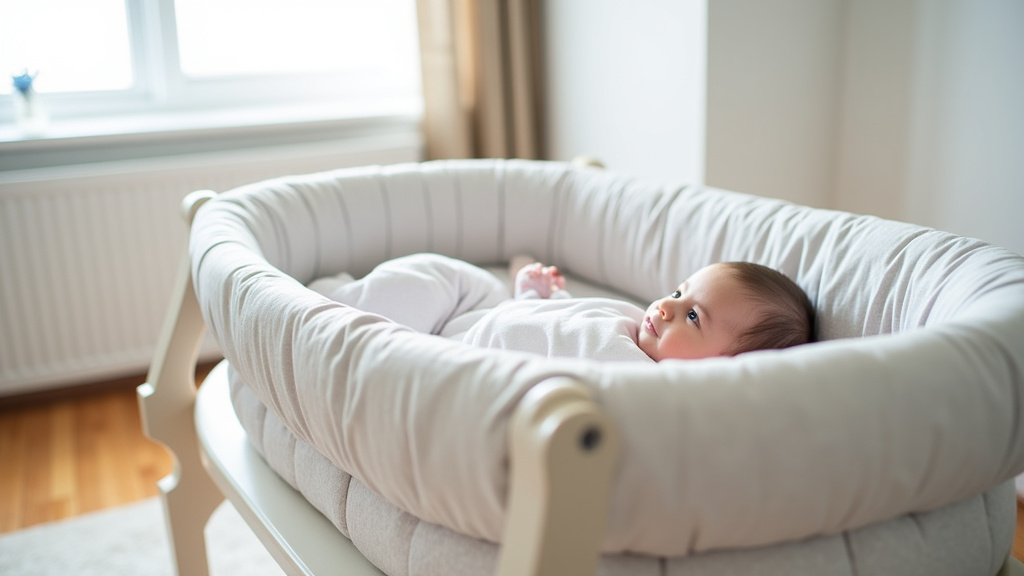
A bassinet is essentially a small, portable bed for newborns. They are usually much smaller than a traditional crib. This makes them easy to move from room to room. Many parents choose to keep a bassinet right next to their bed in the master bedroom. This is especially helpful during the night.
Convenience for Nighttime Feedings and Soothing
Imagine this: your baby wakes up crying in the middle of the night. If their bassinet is right next to your bed, you can easily reach them. You can pick them up for a feeding or offer a comforting pat without having to get out of bed. This can make a huge difference when you’re already exhausted. We found that having the baby close meant less disruption to sleep for everyone.
This closeness also helps you keep an eye on your baby. You can quickly check on them without a fuss. For breastfeeding mothers, having the bassinet nearby makes nighttime nursing much simpler. You can often feed your baby while still half-asleep. This little bit of ease can feel like a lifesaver in those demanding first few weeks.
Space-Saving Benefits
Bassinets are significantly smaller than cribs. If you live in a smaller home or apartment, a bassinet can be a great solution. It provides a dedicated sleep space for your baby without taking up a lot of room. You can place it in your bedroom or even a corner of the living room.
Once your baby outgrows the bassinet, you’ll likely move them to a crib. But for the newborn stage, a bassinet can be just the right size. It feels cozy and secure for a tiny baby. Think of it like a comfortable nest for them to start out in.
Portability for On-the-Go Families
Many bassinets are designed to be lightweight and portable. Some even come with wheels. This means you can easily move your sleeping baby from one room to another. If you want to have your baby sleep near you while you do chores or relax in the living room, a portable bassinet is perfect. You can keep them close by, even if they’re napping.
This portability is also helpful if you plan to travel. Some bassinets are designed to fold up easily. This makes them a good option for bringing with you on visits to family or short trips. It ensures your baby has a familiar place to sleep, wherever you go. We found that being able to move the bassinet made daily life much smoother.
Safety First: What to Look for in Any Baby Sleep Surface
Regardless of whether you choose a bassinet, crib, or play yard, safety is the absolute top priority. The American Academy of Pediatrics (AAP) provides clear guidelines for safe infant sleep. They stress that babies should always sleep on their back on a firm, flat sleep surface.
Understanding Safe Sleep Guidelines
Here’s what the experts consistently tell us:
- Always place your baby on their back to sleep. This reduces the risk of Sudden Infant Death Syndrome (SIDS).
- Use a firm mattress that fits snugly in the bassinet or crib. There should be no gaps between the mattress and the sides.
- Keep the sleep area clear of soft bedding, pillows, bumpers, and stuffed animals. These can create suffocation hazards.
- Never place a baby to sleep on a soft surface like a couch, armchair, or adult bed unless you are actively supervising them.
These guidelines apply to any sleep product you use for your baby. Always check that the product meets current safety standards. Look for labels indicating compliance with safety regulations.
Bassinet Safety Features to Consider
When looking at bassinets, pay attention to a few key things. The sleeping surface must be firm and flat. Make sure the sides are high enough to prevent the baby from rolling out. Also, check that the bassinet is sturdy and won’t tip over easily.
Avoid bassinets with unnecessary padding or inclines. The AAP advises against inclined sleep surfaces for infants. A simple, straightforward design is often the safest. Many bassinets are designed with mesh sides, which can improve airflow. This is a good feature to look for. Ensure any mattress pad is thin and fits perfectly with a fitted sheet.
When Might a Bassinet NOT Be the Best Choice?
While bassinets are great for many families, they aren’t a perfect fit for everyone. There are situations where they might not be the most practical or necessary item.
Baby Outgrows It Quickly
Bassinets are designed for newborns and young infants. Most babies will outgrow their bassinet within 3 to 6 months. Some babies are bigger and may outgrow it even sooner. This means you might only use it for a short period before needing to transition your baby to a crib.
If you’re on a tight budget, you might wonder if the short lifespan is worth the cost. You could potentially skip the bassinet and go straight to a crib or a larger bedside sleeper. This is a common consideration for many parents trying to manage expenses.
Limited Lifespan Compared to a Crib
A crib is an investment that can last for years. Many cribs can even convert into toddler beds. A bassinet, on the other hand, has a much shorter functional life. It’s important to weigh the cost of a bassinet against how long you’ll actually use it.
If you plan to have more children, a bassinet can be reused. But if this is your only child, or you’re unsure about future children, you might prefer to invest in items with a longer lifespan. Many parents find that a crib serves them well from birth, provided it meets all safety standards and is placed in their room initially.
Babies Who Are Very Active Sleepers
Some babies are naturally more wiggly sleepers. If your baby tends to move around a lot, they might outgrow a bassinet faster. They could also potentially get their limbs stuck through the sides if the bassinet isn’t designed with very close spacing.
For these babies, a larger crib might offer more room and peace of mind. It’s important to observe your baby’s sleeping habits. If they’re already pushing against the sides at a young age, it might be time to consider a bigger sleep space.
Alternatives to a Bassinet for Safe Newborn Sleep
Don’t have a bassinet? No problem! There are other excellent and safe options for your newborn. The key is always that firm, flat surface.
The Crib: A Long-Term Solution
A crib is the most traditional sleep solution for babies. It’s designed to be safe and spacious for infants and toddlers. You can place a crib in your bedroom for the first few months to keep your baby close. This gives you the benefit of proximity without needing a separate bassinet.
Ensure the crib meets current safety standards. You’ll need a firm mattress and a fitted sheet. Keep the crib clear of any extra items. Many parents find that a crib is all they need, from day one. The Centers for Disease Control and Prevention (CDC) recommends using a crib, bassinet, or play yard for infant sleep.
The Play Yard (Pack ‘n Play): Versatile and Practical
A play yard, often called a Pack ‘n Play, is another versatile option. Many come with a bassinet attachment or a raised bassinet level for newborns. This elevated level provides a safe and convenient sleep space for your baby. It keeps them off the floor and closer to your height.
Once your baby outgrows the bassinet attachment, you can remove it. The play yard then becomes a safe place for your older baby to play or sleep. This makes it a very adaptable piece of baby gear that serves multiple purposes. We found the play yard to be a good investment due to its longevity.
Your Checklist: Deciding If a Bassinet is Right for You
Here’s a quick rundown to help you decide if a bassinet fits your needs:
- Do you want your baby sleeping right next to your bed? If yes, a bassinet is a great option.
- Is space a concern in your home? Bassinets are smaller than cribs.
- Are you prioritizing easy nighttime feedings? Bassinets make this very convenient.
- Do you plan to use it for more than one child? This makes the cost more justifiable.
- Are you comfortable with transitioning to a crib around 4-6 months? This is the typical timeframe for outgrowing a bassinet.
- What’s your budget? Consider if a bassinet fits into your overall baby gear expenses.
Ultimately, the choice is yours. There’s no single “right” answer. Focus on safety, your lifestyle, and what makes you feel most comfortable as a parent.
Conclusion
Ultimately, a bassinet isn’t a must-have item for every new parent. You’ve learned that while it offers fantastic convenience for nighttime care and saves space, your baby can sleep safely in a crib or play yard. The most critical factor is always a firm, flat sleep surface that meets safety standards. Consider your living situation, budget, and personal preferences carefully. If a bassinet fits your needs, it can make those early months much smoother. If not, don’t worry; you have safe alternatives ready.
Frequently Asked Questions
How long can my baby use a bassinet?
Most babies use a bassinet for about 3 to 6 months. They typically outgrow it when they can push up on their hands and knees, or when they reach the weight limit specified by the manufacturer. It’s important to transition your baby to a crib once they become too mobile or heavy for the bassinet.
Can I just use a crib from day one instead of a bassinet?
Yes, absolutely. Many parents successfully use a crib from birth, placing it in their bedroom for the first few months. This provides your baby with a safe sleep space right next to you, offering similar proximity benefits to a bassinet without needing a separate purchase.
Are bassinets safe for babies who move a lot?
Bassinets are generally safe if they meet all safety standards and your baby hasn’t outgrown them by size or mobility. However, very active babies might outgrow a bassinet quicker or could potentially get limbs stuck if the sides have wide gaps. Always supervise your baby and check the manufacturer’s guidelines for weight and activity limits.
What if I have a small apartment? Is a bassinet still a good idea?
If space is a concern, a bassinet can be an excellent choice. Its smaller footprint compared to a crib makes it ideal for cozy living spaces. It provides a dedicated, safe sleep spot for your newborn without taking up a lot of room in your bedroom or main living area.
Do I need to buy a special mattress for a bassinet?
Most bassinets come with a thin mattress pad designed to fit snugly. The most important thing is that the sleep surface is firm and flat, with no gaps between the mattress and the sides of the bassinet. Always ensure you use a fitted sheet that is specifically made for the bassinet’s mattress to maintain a safe sleep environment.