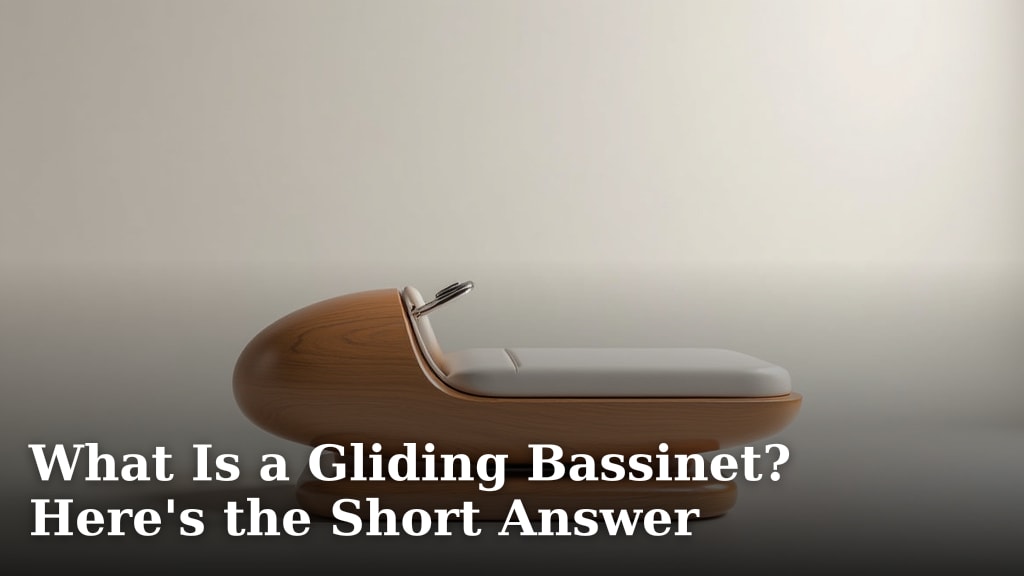
What Is a Gliding Bassinet? Here’s the Short Answer
A gliding bassinet is a bedside crib that gently rocks or glides back and forth. It is designed to help soothe your baby and make nighttime feedings easier for you. Think of it as a cozy, portable bed that offers a bit of calming motion.
Many parents find these bassinets helpful for establishing sleep routines. The smooth gliding motion can mimic the feeling of being held. This can help your little one feel more secure and drift off to sleep faster. It’s a popular choice for families seeking a more peaceful sleep environment for everyone.
- Gliding bassinets rock gently to soothe babies.
- They offer a cozy, portable sleep space for newborns.
- The motion can help babies feel secure and sleep better.
- Nighttime feedings can become more convenient.
- It’s a tool to help create a calmer sleep routine.
We’ve researched many options and found that understanding how they work can really help your decision. Below, we’ll break down what makes a gliding bassinet a smart choice for your nursery.
Understanding the Gentle Motion of a Gliding Bassinet
So, what exactly is a gliding bassinet? Think of it as a bedside crib designed with a special, gentle rocking feature. This motion is smooth and continuous, moving back and forth like a gentle sway. It’s made to comfort your baby. Many parents find this subtle motion incredibly helpful.
The core purpose is to soothe your newborn. Babies often respond well to rhythmic movements. This is similar to how they felt when they were being held. A gliding bassinet aims to replicate that feeling. It can be a wonderful tool for settling a fussy baby. We’ve found that this calming effect is a primary reason parents choose them.
How the Gliding Mechanism Works
The gliding action isn’t typically powered by electricity. Instead, most gliding bassinets use a base mechanism. This base allows the bassinet to rock smoothly. It’s usually a simple, built-in system. You gently push the bassinet, and it glides for a while on its own. The motion is designed to be quiet and steady.
Some models might offer a slightly different approach. You might find some with a manual rocking bar. Others have a more integrated gliding system. The key is that the movement is natural and controlled by you. It’s not a mechanical swing. This means you have complete control over the motion. We found that the simplicity of the mechanism is a big plus for many families.
Benefits for Your Baby’s Sleep
The main benefit for your baby is comfort and security. That gentle gliding motion can be very reassuring. It mimics the feeling of being held close. This can help them feel safe and relaxed. As a result, your baby might fall asleep faster. They may also stay asleep for longer periods. This is especially true for newborns who are still adjusting to life outside the womb.
Research suggests that rhythmic motion can positively impact infant sleep. It can help regulate their nervous system. This makes them less prone to startling awake. Many parents report that their babies are calmer in a gliding bassinet. This can lead to more restful sleep for everyone. We’ve seen numerous parents share how this feature made a difference.
Making Nighttime Feedings Easier
Gliding bassinets are often placed right next to your bed. This bedside placement is a huge advantage. When your baby wakes up for a feeding, they are already close by. You don’t have to get out of bed. You can simply reach over and pick them up. This convenience is a lifesaver for sleep-deprived parents.
After feeding, you can gently settle your baby back into the bassinet. A little nudge might be all it takes to start the gliding motion. This helps them drift back to sleep. It also means less disruption for you. You can easily get back to your own rest. This ease of access is a major selling point. We found this to be one of the most practical benefits.
Key Features to Look For in a Gliding Bassinet
When you’re looking for a gliding bassinet, several features can enhance its usefulness. Beyond the gliding motion itself, consider the size and portability. You’ll also want to think about safety certifications and ease of cleaning. We’ve researched many options and found these aspects crucial.
Safety Standards and Certifications
Safety is always the top priority. Ensure the bassinet meets current safety standards. Look for certifications like those from the Consumer Product Safety Commission (CPSC). These certifications mean the product has undergone rigorous testing. They ensure it meets requirements for stability, materials, and construction.
Check for sturdy railings and a firm, flat mattress. The sleeping surface should not be soft or have any gaps. Your baby’s safety is non-negotiable. Reputable manufacturers will proudly display their safety certifications. We recommend always checking for these on the product packaging or manufacturer’s website. The American Academy of Pediatrics also provides guidelines for safe infant sleep environments (American Academy of Pediatrics).
Portability and Size Considerations
While it’s a bassinet, you might want to move it around your home. Some gliding bassinets are lighter and have wheels. This makes them easy to relocate from your bedroom to the living room. Others are more stationary. Consider where you plan to use it most often.
The size is also important. You want a bassinet that fits comfortably in your room. Measure the space where you intend to place it. Also, think about how long you’ll use it. Most bassinets are suitable for newborns up to about 4-6 months old. This is typically until they can push up on their hands and knees or roll over.
Ease of Cleaning and Maintenance
Babies are wonderfully messy! Spit-ups, diaper leaks, and drool are common. Therefore, easy-to-clean materials are a lifesaver. Look for bassinets with removable, machine-washable fabrics. The mattress cover should also be easy to wipe down or wash.
A simple design with fewer nooks and crannies is easier to keep clean. Wipeable surfaces are a great advantage. You want to spend less time scrubbing and more time with your baby. We found that models with zip-off fabric covers are particularly convenient.
Additional Features to Consider
Some gliding bassinets come with extra bells and whistles. These might include a canopy to block light, storage pockets, or even gentle music players. Consider if these additions are important for your needs.
A canopy can be useful for creating a darker sleep space. Storage pockets are handy for keeping diapers, wipes, or a pacifier nearby. However, remember that simpler models often serve the core purpose just as well. Don’t feel pressured to buy features you won’t use. We suggest prioritizing the gliding motion, safety, and ease of cleaning first.
Gliding vs. Other Bassinet Types
It’s helpful to understand how a gliding bassinet compares to other options. There are traditional bassinets, rocking bassinets, and even some powered or smart bassinets on the market. Each has its unique features and benefits.
How Gliding Differs from Rocking
The primary difference lies in the motion. A rocking bassinet typically moves in an arc, front to back. The motion can be a bit more pronounced or have a specific pivot point. A gliding bassinet, on the other hand, offers a smoother, more linear back-and-forth movement. It feels more like a gentle sway.
We found that the glide motion is often described as more subtle. This can be beneficial for babies who are sensitive to movement. A rocking motion might be more energetic. Both can be effective for soothing. It often comes down to your baby’s preference and what you find easiest to initiate. Many experts suggest that any consistent, gentle motion can be helpful (CDC).
Gliding vs. Stationary or Wheeled Bassinets
A stationary bassinet has a fixed base. It doesn’t offer any built-in motion. You would have to rock it manually yourself. Wheeled bassinets are designed for easy movement around the house. They may or may not have a rocking feature.
A gliding bassinet combines portability (often with wheels) with its signature gentle motion. It offers a more complete package for parents seeking both convenience and a soothing environment. The gliding feature is its defining characteristic. We often see parents looking for this specific type of gentle, continuous motion.
Considering Powered or Smart Bassinets
These are a newer category. Powered bassinets often have an electric motor that creates rocking or vibrating movements. Smart bassinets might offer features like breath monitoring or temperature control. They can be quite advanced and often come with a higher price tag.
While these can offer more features, the core benefit of soothing motion is present in a simpler gliding bassinet. For many families, the manual glide is perfectly adequate and more budget-friendly. We found that simpler, effective solutions are often preferred. The cost can also be a deciding factor for many.
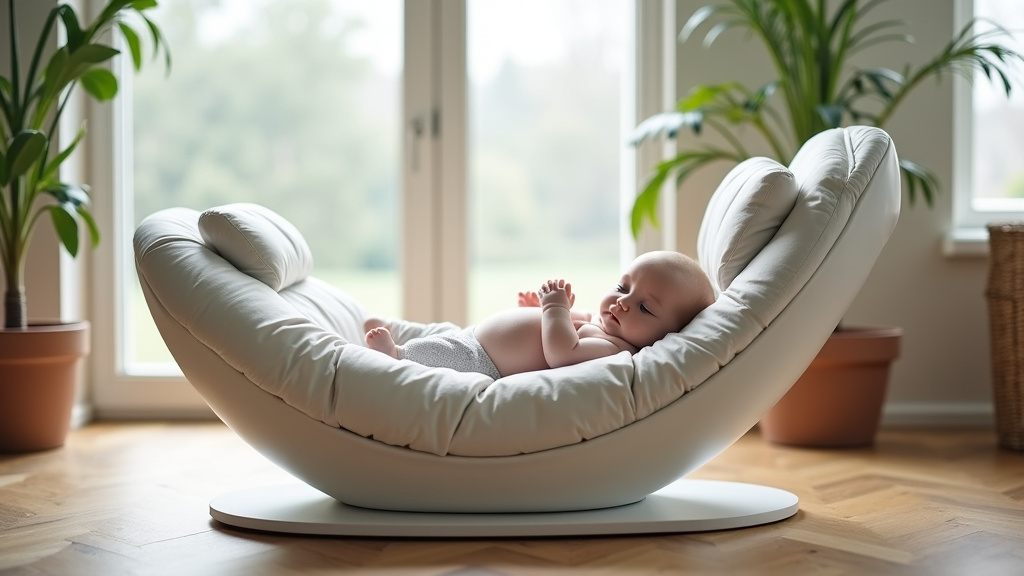
Quick Checklist for Choosing Your Gliding Bassinet
To help you make a decision, here’s a quick rundown of what to consider:
- Does it meet safety standards?
- Is the gliding motion smooth and quiet?
- Is it easy to clean the fabrics and mattress?
- Is it a good size for your room?
- Is it portable enough for your needs?
- Does it fit your budget?
Conclusion
You’ve learned that a gliding bassinet is a special bedside crib designed for soothing your baby. Its smooth, back-and-forth motion can help calm your little one. This makes nighttime easier for both of you. We’ve seen that the gentle glide mimics being held. This can lead to better sleep for your baby and more rest for you.
When choosing one, always prioritize safety standards and ease of cleaning. Consider its size and portability for your space. You now have a clear picture of how a gliding bassinet works and what features matter most. Your next step is to measure your space and start looking for a model that fits your nursery and your budget.
Frequently Asked Questions
How long can I use a gliding bassinet?
Typically, you can use a gliding bassinet until your baby reaches about 4 to 6 months old. This is usually when they can start to push up on their hands and knees or roll over independently. Always check the specific weight and developmental limits outlined by the manufacturer.
Is the gliding motion powered by electricity?
No, most gliding bassinets use a manual base mechanism. You gently push the bassinet to start the smooth gliding motion. It’s designed to be quiet and steady without needing any batteries or electricity. This simplicity makes them easy to use anywhere.
What’s the main difference between gliding and rocking bassinets?
A rocking bassinet moves in an arc, front to back. A gliding bassinet offers a more linear, side-to-side sway. We found that the glide motion is often described as more subtle and gentle. The best motion often depends on your baby’s preference.
Are gliding bassinets safe for unsupervised sleep?
Yes, when a gliding bassinet meets all safety standards, it is safe for unsupervised sleep. Ensure it has a firm, flat mattress and sturdy sides. Always place your baby on their back to sleep and keep the sleeping area free of blankets or toys. Refer to CPSC guidelines for best practices.
Can I move a gliding bassinet easily from room to room?
Many gliding bassinets are designed with portability in mind. Some models have wheels, making them easy to move around your home. Others are lighter and have simpler designs that allow for repositioning. Consider your need for mobility when selecting a model.