What Is a Bassinet Cover? Here’s What Parents Should Know
Understanding the Bassinet Cover: Purpose and Basics
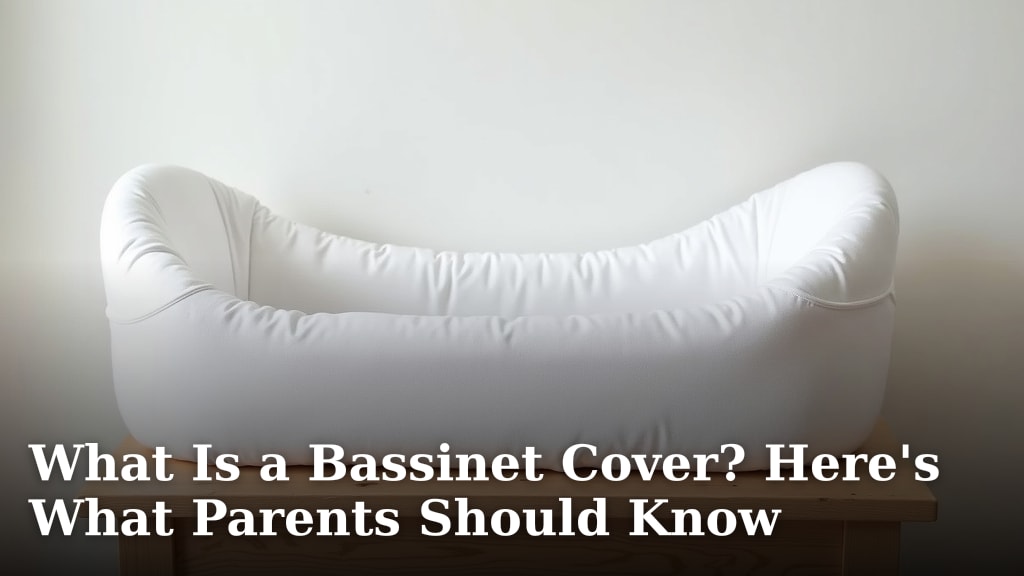
A bassinet cover is essentially an accessory made of fabric that fits over your baby’s bassinet. Its primary job is to shield your newborn while they rest in their first bed. You might also hear it called a bassinet sheet, canopy, or liner, but the core idea is simple: it’s a protective layer between your baby and the outside world.
Why Use a Bassinet Cover? Core Benefits
So, why would you add another item to your already long baby registry? A good bassinet cover isn’t just about looking cute—though it can definitely match your nursery theme. Its real value lies in practical care for your little one. We found that parents consistently highlight a few key advantages.
- Comfort and Warmth: It creates a cozy, den-like environment that can help your baby feel secure and sleep better.
- Draft Protection: A light cover can act as a shield against gentle drafts from windows or vents in the room.
- Light Filtering: It can soften harsh overhead light, helping your newborn drift off during daytime naps.
- Visual Barrier: A canopy-style cover can reduce visual stimulation from busy rooms, promoting calmer sleep.
- Cleanliness: It helps keep hair, dust, and pet dander off the bassinet mattress pad, which is easier to wash.
Safety First: What Pediatric Experts Recommend
When it comes to baby sleep products, safety is everything. You’re right to be cautious. The American Academy of Pediatrics (AAP) is very clear about creating a safe sleep environment. Their guidelines stress that a baby’s sleep space should be free of any loose items, including pillows, blankets, and stuffed toys. This principle extends to bassinet accessories.
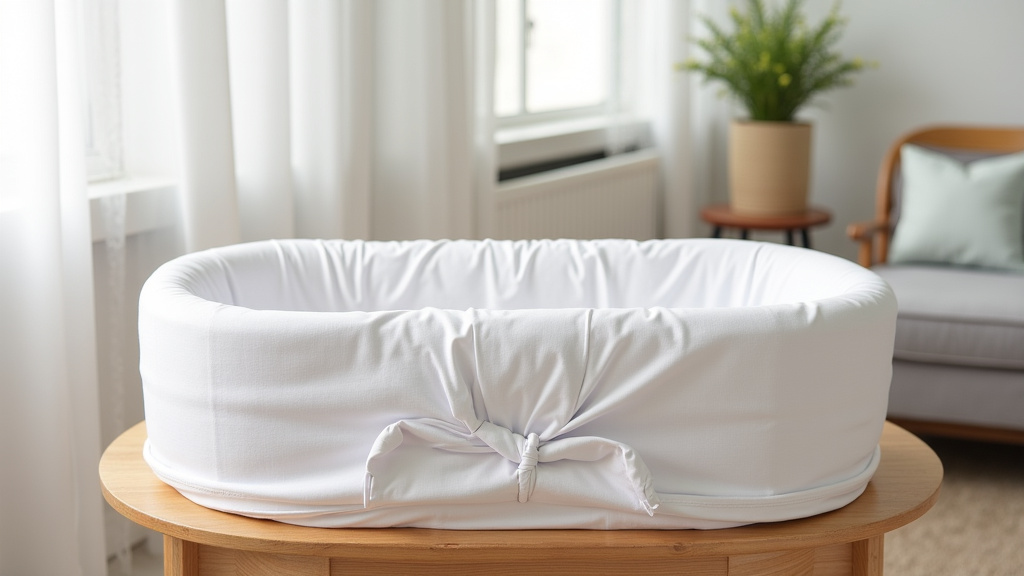
A properly designed bassinet cover is meant to be a fitted sheet or a tightly secured canopy—never a loose blanket. You must ensure it fits tautly on the bassinet frame with no sagging fabric. If you choose a canopy style, make sure it is well-ventilated and positioned out of your baby’s reach as they grow. The safest option is often a simple, fitted cover that stays in place.
Materials Matter: What Bassinet Covers Are Made From
The fabric of a bassinet cover plays a huge role in its safety and comfort. Not all materials are created equal, especially for a newborn’s delicate skin. Choosing the right one helps prevent overheating and skin irritations.
| Material | Pros | Cons | Best For |
|---|---|---|---|
| 100% Cotton | Breathable, soft, easy to wash | Can shrink, may wrinkle | Everyday use, sensitive skin |
| Bamboo Viscose | Very soft, moisture-wicking, hypoallergenic | More expensive, requires gentle care | Babies with eczema, warm climates |
| Mesh/Polyester | Highly breathable, lightweight, dries fast | Less cozy feel, may pill | Canopies, summer covers, ventilation focus |
| Muslin | Airy, gets softer with washes, versatile | Thin, offers less warmth | Warm weather, light layering |
Breathability and Airflow Are Non-Negotiable
Whatever material you pick, let’s talk about the single most important safety feature: breathability. A bassinet cover must allow for ample airflow. You might wonder why this matters so much. The reason is to prevent overheating, which is a known risk factor for SIDS (Sudden Infant Death Syndrome). A cover made from tightly woven, non-breathable fabrics can trap heat. Look for materials that pass a simple “hold it to your mouth” test—if you can easily feel your breath through it, it’s likely breathable enough.
Ease of Cleaning: A Practical Must-Have
Let’s be honest: babies are messy. Spit-up, diaper leaks, and drool are just part of the daily routine. That’s why you need a bassinet cover you can clean easily. The best ones are machine-washable and can handle frequent cycles without falling apart. Check the care label before you buy. Some delicate fabrics might require air drying, which adds a step to your already busy schedule. A practical cover is one you can simply toss in the wash and dry quickly.
How to Choose the Right Bassinet Cover for Your Baby
Now that you know the what and why, let’s get to the how. Shopping for a bassinet cover can be simple if you follow a few key steps. Here is a quick checklist to guide your decision. Remember, the goal is to match the cover to your baby’s needs and your lifestyle.
- Check the Fit: Measure your bassinet or check its manual to ensure the cover is designed for your specific model.
- Prioritize Fabric: Choose a natural, breathable material like cotton or bamboo that is soft against skin.
- Consider the Climate: Opt for a lighter muslin or mesh in summer and a slightly heavier cotton for cooler months.
- Look for Easy Care: Verify that it is machine-washable and dryer-safe for your sanity.
- Assess the Design: Decide between a simple fitted sheet or a canopy, based on your needs for light blocking or decoration.
- Safety Check: Ensure there are no loose ribbons, buttons, or decorative elements that could come loose.
Common Questions About Bassinet Covers
Even after learning the basics, you might have a few lingering questions. Here are answers to the most frequent concerns we hear from parents.
Do I need a cover if the bassinet already has a fitted sheet?
Think of them as serving different purposes. A fitted sheet covers the mattress for hygiene. A bassinet cover is an additional layer that goes over the top of the bassinet for environmental protection like light and drafts. Some products are designed to do both, but many parents use them separately.
Can I use a regular blanket as a cover?
Medical guidelines from the NIH and CDC strongly advise against using loose blankets in a baby’s sleep space. A purpose-made bassinet cover is designed to be secured tightly to the frame, eliminating the risk of it coming loose and covering your baby’s face. A regular blanket does not offer this secure fit.
Using a Cover for Daytime vs. Nighttime
You can use a bassinet cover during both day and night, but the use case might differ. During the day, a cover is excellent for creating a darker sleep environment for naps. At night, in a properly dark room, you might not need it for light blocking but could use it to create a cozier, more enclosed feel. Always monitor your baby to ensure they are not getting too warm.
Conclusion
A bassinet cover is more than a nursery decoration—it’s a simple tool for comfort, cleanliness, and creating a soothing sleep space. We’ve seen it provides warmth, blocks light, and keeps the bassinet pad cleaner. The most important factors are always safety and fabric choice. You must ensure a **taut, secure fit** and pick a **breathable material** like cotton to prevent overheating.
As you prepare for your baby, take a moment to review your bassinet’s manual and measurements. Then, you can confidently choose a cover that fits properly and supports those precious early naps.
Frequently Asked Questions
Can I use two bassinet covers at the same time?
It’s not recommended to layer multiple covers, especially in a newborn’s sleep space. The AAP advises keeping the sleep area free of loose items. If you need extra warmth, it’s safer to dress your baby in appropriate sleepwear or use a wearable blanket instead.
How do I know if a cover will fit my specific bassinet model?
Always check the product description for compatible models or dimensions. The best approach is to measure the top opening of your bassinet frame or consult its manual before purchasing. Many brands design covers to fit their own bassinets specifically.
When should I stop using a canopy-style bassinet cover?
You should remove a canopy as soon as your baby can push up on their hands and knees or reaches the age recommended in the product’s instructions. This is a critical safety step to prevent any risk of entanglement or suffocation as your baby becomes more mobile.
How often should I wash my baby’s bassinet cover?
A good rule of thumb is to wash it weekly or anytime it becomes soiled with spit-up, sweat, or leaks. Using a cover helps keep the main mattress pad cleaner, but the cover itself needs regular washing to maintain a hygienic sleep environment.
Are decorative bassinet covers with ruffles or bows safe?
For safe sleep, avoid covers with any loose decorations like ruffles, bows, or ribbons that could detach. Choose a cover with a smooth, fitted design. Any decorative elements should be securely attached and far from your baby’s reach.